
Written by Matthew Tran, Birchbury's Founder
Here's the problem with shopping for barefoot sneakers for women: half the shoes wearing the label are just regular minimalist shoes with a thinner sole and a bigger marketing budget. The word "barefoot" costs nothing to print on a box.
So skip the brand claims. Apply a filter instead. Four features separate the real thing from the costume: zero drop, a wide toe box, a flexible low-stack sole, and sizing built for women's foot volume. You can check every one before you spend a dollar.

The Short List: What Actually Matters in a Barefoot Sneaker
Take them one at a time.
Zero Drop and Heel-to-Toe Drop
Zero drop means the heel and the forefoot sit at exactly the same height, a heel-to-toe drop of zero. Most conventional sneakers prop your heel up above your forefoot, which tilts your whole posture forward.
A true barefoot sneaker keeps you level. Not "low drop." Zero. Next up: width.
Wide Toe Box and Toe Splay
A wide toe box is foot-shaped: widest at the toes, not the ball of the foot, because that's where your foot is widest when it actually bears weight. It's also the feature that exposes the pretenders fastest.
Look for a true wide toe box that lets your toes splay instead of stacking your toes like commuters on a rush-hour train. If the shoe tapers to a point, it's a fashion sneaker cosplaying as a barefoot one.
Shop wide toe box shoes for women →
Flexible Sole, Stack Height, and Ground Feel
Third on the list: the sole. It's really three things working as one system:
- Flexible sole: bends where your foot bends.
- Stack height: the amount of material between you and the pavement. Lower means less in the way.
- Ground feel: the feedback that lets your feet do the balancing work they were built for.
Thick, stiff soles kill all three at once.
Sizing and Fit for Women's Feet
Last on the list: fit. Women's feet typically carry different volume through the heel and midfoot than men's, so a shoe that's simply a scaled-down men's model can fit wide at the toes and sloppy everywhere else. Proper shoe fit takes more than picking your usual size, and the full breakdown comes later in this guide.
That's the whole filter. Run any pair through it and the pretenders fall away fast.

No, They Don't All Look Like Toe Gloves
Not every barefoot sneaker has toe pockets. Most today look like regular sneakers. Still, you've been holding an objection since the first paragraph, so let's deal with it.
You've seen barefoot shoes. The ones with five separate toe pockets.
Hard pass, right? Fair. That reaction has kept plenty of women out of the category for years.
Why the Toe-Glove Stereotype Stuck
People obsessed with function, and apparently at war with mirrors, designed the early minimalist shoes. Toe pockets. Neon straps. Soles that looked like kitchen mats.
They photographed terribly and went viral for it. One weird silhouette became the mental shorthand for an entire category, and the stereotype outlived the shoes that created it.
Meanwhile, pointy fashion sneakers squeezed toes for decades and nobody blinked. Ugly gets the jokes. Uncomfortable gets a free pass.
What a Normal-Looking Barefoot Sneaker Actually Requires
The part the stereotype missed: nothing about barefoot design demands ugliness. A wide toe box, zero-drop sole, and honest materials all do their work beneath the surface, invisible from across the room.
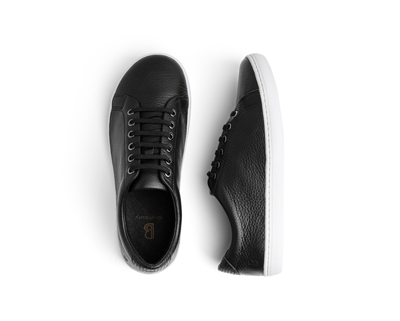
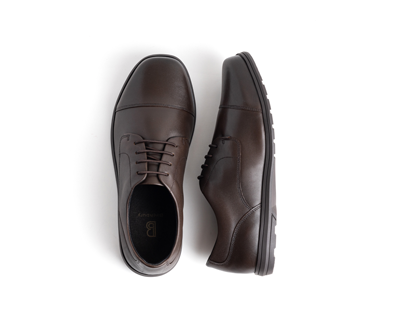
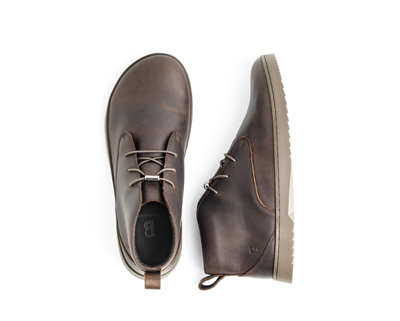
Leather uppers, standard lacing, a clean everyday silhouette. All of it coexists with a foot-shaped toe box, because the extra width hides in the last, not in the styling.
That's why barefoot sneakers built to look like regular shoes exist now. The function never needed the costume.
What Podiatrists Actually Say About Barefoot Shoes
That settles the looks objection. The next one carries more weight, because it comes with a medical degree attached.
Some podiatrists recommend barefoot shoes. Others wince at the mention. Both camps have reasons worth hearing.
Where the Skepticism Comes From
The cautious podiatrists aren't worried about the shoes. They're worried about the transition.
Someone spends thirty years in cushioned sneakers, buys minimalist shoes on a Tuesday, runs five miles on Wednesday, and limps into a clinic on Friday. Doctors see that pattern often enough to get gun-shy.
Prior foot conditions raise the same flag. Weak or injured feet need a slow ramp-up, and barefoot shoe beginners rarely give themselves one.
Where the Research Actually Lands
The evidence tells a friendlier story: minimalist shoes can strengthen foot muscles about as much as a dedicated exercise program. That's the finding from peer-reviewed research on walking in minimalist shoes. Your shoes doing the gym work for you.
University health experts at Ohio State say much the same: barefoot-style shoes can build foot strength and improve balance through better ground feel, provided you ease in gradually.
Notice the pattern. The skepticism targets misuse, not the design. Nobody's warning against wide toe boxes or level soles.
They're warning against doing too much, too fast, on feet that spent decades in padded captivity.
Which leaves one question: who should genuinely be careful? The FAQ covers that in full.
Short version: the shoe isn't the risk. The transition is.

Sizing and Fit: What Actually Changes for Women's Feet
That sizing breakdown promised earlier? Here it is. Short answer: women's feet need different volume through the heel and midfoot, not a shrunken men's shoe, and this is where most women go wrong.
Foot Volume, Not Just Length
Length is one number. Your foot is a three-dimensional object. Length-only sizing is like buying jeans by inseam and hoping the waist works out.
Barefoot sneakers make this worse in the best way. The wide toe box adds room for toe splay, so a shoe that matches your length can still feel wrong through the instep or midfoot. Volume, not length, decides whether the shoe holds your foot or just surrounds it.
Four moves handle most sizing problems before you buy:
- Measure your width, not just your length. Trace your foot standing up, at the end of the day, when feet run largest.
- Consider a half size up if you're between sizes. Proper shoe fit guidance calls for roughly a thumb's width of space ahead of your toes.
- Check instep volume. A high arch or thick midfoot eats interior space fast. Look for lacing that adjusts across the instep.
- Look for a removable insole. Pull it out for more volume, leave it in for a snugger fit. One shoe, two fits.
That last one matters. The Bramford includes a removable insole for exactly this reason: fine-tuning without guesswork.
Wide and High-Volume Feet
Wide feet aren't a defect. They're just underserved.
Standard sneakers taper where your foot is widest, so wide-footed women spend years assuming shoes are supposed to pinch. A foot-shaped last solves the width. A removable insole and adjustable lacing solve the height.
The FAQ digs into this question directly. Spoiler: barefoot sneakers were practically built for you.
The Transition Period Nobody Warns You About
You found the right shoe. You sized it correctly. Now comes the part most brands skip: full adaptation to barefoot shoes takes two to six months, not days.
Your calves and arches spent years on cushioned duty. Wake them up gradually.
A clinical research review found genuine benefits from minimalist shoes and genuine injury risk when people rush the switch. The shoe isn't the variable. Your pace is.
A Realistic Timeline
Barefoot shoe beginners do best on a schedule. Here's a sane one. It's general guidance, not a lab protocol, the same go-gradual idea you'll find in the APMA's podiatric fitting guidance.
- Weeks 1–2: One to two hours a day. Short walks only. Let the ground feel register without demanding anything from feet that aren't ready yet.
- Weeks 3–4: Half days. Errands, the office, the school run. Add time only if yesterday felt fine.
- Month 2 onward: Full days, then longer walks and light activity. Most feet adapt fully somewhere between two and six months.
Slow feels boring. Slow also works.
Normal Soreness vs. Overdoing It
Mild calf and arch soreness is normal. Sharp pain, swelling, or anything that changes your gait is not.
The soreness means those muscles are finally working, and a recent clinical study confirms the adaptation period is exactly where problems concentrate.
Hit any of the warning signs? Cut your wear time in half and rebuild from there. Quitting cushioning cold turkey is how people end up in that podiatrist's office from earlier.

Budget Barefoot Sneakers vs. Built-to-Last Leather: The Real Trade-Off
You've got the filter, the sizing, the transition plan. One question left: how much should this shoe cost?
Budget barefoot sneakers flood every search result, and some work fine for testing the waters. The trade-off in one sentence: they cost less upfront but usually cut corners on materials, sole flexibility, and insoles.
What Budget Synthetic Options Skip
Budget brands cut three corners most often:
- Materials: synthetic mesh and plastic overlays stretch out, sag, and start looking tired within months.
- The sole: plenty of budget pairs go thin without going flexible, so you lose cushioning and still can't feel the ground bend under your foot. A flexible sole is the whole point.
- The insole: usually a slab of foam glued in place. No removable insole means no volume adjustment and no orthotic compatibility.
Where the Bramford Fits
This is where the Bramford earns its spot as our top pick. Handcrafted from full-grain American leather, built on a genuinely wide toe box, with a zero-drop flexible sole and the removable insole from the sizing section.
The two paths, side by side:
| Feature | Budget Synthetic Sneakers | Bramford |
|---|---|---|
| Materials | Synthetic mesh, plastic overlays | Full-grain American leather |
| Sole flexibility | Thin but often stiff | Flexible, bends with your foot |
| Insole | Glued-in foam | Removable, orthotic-compatible |
Read that table and do the math yourself. Leather that lasts years versus mesh that lasts a season isn't a close call.
You can see the full Bramford lineup to compare colorways before you decide.
Common Questions About Barefoot Sneakers for Women
A few questions come up again and again. Quick answers below.
What Are the Best Barefoot Sneakers for Women?
The best barefoot sneakers pass the four-feature filter: zero drop, foot-shaped toe box, flexible sole, and sizing built for women's foot volume. The Bramford checks all four in full-grain American leather, which is why it tops our list. Any shoe missing one of those features is a fashion sneaker in disguise.
Who Should Not Wear Barefoot Shoes?
Anyone with a recent foot injury, diabetes-related nerve issues, or a foot condition under active treatment should talk to a doctor first, the same advice university health experts give. Everyone else can wear them; the real risk isn't the shoe, it's skipping the gradual transition covered earlier.
Do Barefoot Sneakers Work for Wide or High-Volume Feet?
Yes, better than almost any other category. A foot-shaped last gives wide feet the room standard sneakers taper away, and a removable insole plus adjustable lacing handles the volume. If shoes have pinched you your whole life, this is the design that finally stops apologizing for your feet.
How Long Does It Take to Adjust to Zero-Drop Sneakers?
Most women adapt fully within two to six months, with the first few weeks limited to short daily wear. The slow transition is the entire game. Rush it and your calves will file a complaint.
What Is the Healthiest Shoe for Your Feet?
The healthiest shoe interferes with your foot the least: level platform, room for toe splay, and a sole thin enough to preserve ground feel. Peer-reviewed research found walking in minimalist shoes strengthened foot muscles about as much as a dedicated exercise program. Your feet already know how to work; the right shoe just stops getting in the way.
The Short List Wins Every Time
Strip away the marketing and you're left with three non-negotiables:
- Zero drop
- A wide toe box
- Materials that don't quit after one season
That's the filter. Everything a shoe needs to do for your feet lives in those three checks.
The rest is preference. Brand loyalty, colorway, price bracket, lacing style. Pick whatever makes you happy, because none of it changes how the shoe treats your feet.
Most shopping guides hand you twenty criteria and a headache. Your feet only care about three.
Hold every pair against that short list. The shoes that pass will feel obvious. The ones that fail will suddenly look like what they always were: regular sneakers with better copywriting.
Your feet already know the difference. Now you do too.
Prices accurate as of August 2026.

Matthew Tran
Founder, Birchbury
Matthew Tran is a mechanical engineer who founded Birchbury. He started the company after struggling to find dress shoes that didn’t hurt — and barefoot shoes that didn’t look out of place at work. That gap led him to design his own: a wide-toe-box, zero-drop shoe made from full-grain leather, built specifically to look like a normal shoe. Birchbury has since been worn by lawyers, chiropractors, restaurant managers, and anyone else who spends their day on their feet and refuses to suffer for it.
More about Matthew Tran →