
Written by Matthew Tran, Birchbury's Founder
Type "barefoot shoes female" into a search bar and you get a mess.
Toe shoes shaped like gloves. Hiking sandals. Blog posts by people who've clearly never survived a nine-hour day in heels.
Here's the catch: that search isn't one question. It's four searches in one: foot health research, office-ready shoes, high heels alternatives, and everyday minimalist wear. All in the same trench coat.
Maybe you're curious about foot health. Maybe you need something office-safe. Or maybe your feet filed a formal complaint after the last wedding.
This guide sorts all of it out, minus the marketing fog.

What You're Actually Searching for When You Type This
One phrase, four intents. Search engines treat it as one query. Your feet know better.
The women typing it want very different things, and most articles answer none of them well.
The Four Real Reasons Women Land Here
Four distinct searches hide inside this one, and each needs a different answer:
- The researcher: You've heard barefoot shoes let toes splay and feet move naturally, and you want to know if the health claims hold up.
- The professional: You need women's barefoot dress shoes that pass in a conference room without looking like camping gear.
- The heel refugee: You're hunting high heels alternatives because your feet have stopped negotiating.
- The everyday minimalist: You want minimalist shoes for walks, errands, and travel that don't announce a lifestyle.
Quick self-check: which one made you nod? That's your lane, and each gets a direct answer in the sections ahead.
One thing first. Every answer below assumes you want shoes that look normal, because most women in all four camps do. That assumption narrows the field fast.
Shop wide toe box shoes for women →

What to Look for in Women's Barefoot Shoes
Before you compare brands, you need a checklist. Three things separate a genuine barefoot shoe from a regular flat with good PR: a wide toe box, a zero-drop sole, and materials that pass as normal. They matter whether you buy from us or anyone else. If you want the full breakdown, here's what actually defines a genuine barefoot shoe.
Wide Toe Box & Toe Shape
Start at the front. A wide toe box is a shoe front roomy enough to let your toes splay the way they do when you're standing barefoot, instead of squeezing into a point.
Width alone isn't the whole story, though. Toe box shape matters just as much.
A shoe can measure "wide" and still taper at the big toe, which defeats the purpose. Look for a shape that follows your actual foot. One clinical research review links minimalist designs to stronger foot muscles over time.
Zero-Drop Soles
A zero-drop sole means zero height difference between heel and forefoot. Flip the shoe sideways and check: heel and forefoot sit at the same level, so your posture stacks naturally instead of tipping forward.
Is that a health miracle? No. The foot health benefits are real but gradual, and this medical health resource is refreshingly honest about the limits. Better mechanics, not magic.
Materials That Don't Look Like a Foot Health Intervention
Finally, the part most brands skip: whether you'd wear the thing in public. Material and finish decide if a shoe reads as "barefoot" or just as a shoe.
Full-grain American leather, the top layer of the hide, ages well and passes as normal, which is why a well-made leather sneaker beats mesh trail gear for daily life. Handcrafted construction helps too. Stitching you can't hide is stitching worth checking.

Barefoot Shoes for Work, Weddings, and Everything in Between
The checklist solves the "what makes it barefoot" question. It doesn't solve the wardrobe question, which is where most women get stuck.
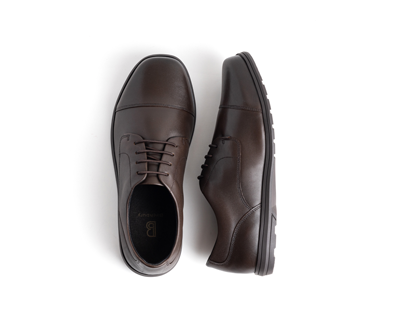
The good news: the category grew up. Barefoot dress shoes and Mary Janes now exist that pass in an office. Barefoot ballet flats swing between casual Fridays and semi-formal dinners without breaking stride.
Weddings? Covered too. Barefoot wedding shoes solve the classic "pretty but painful" trade, the one where you smile through the ceremony and go barefoot by the reception.
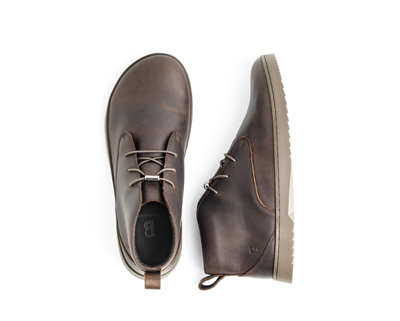
And on the other end, barefoot boots and leather sneakers handle everything the calendar throws at your weekends.
Matching the Shoe to the Occasion
Still, knowing the styles exist isn't the same as knowing which one to grab at 7 a.m. The logic is simple: match the barefoot style to the occasion's formality. This table removes the guesswork:
| Occasion | Barefoot Style That Works |
|---|---|
| Office / business casual | Barefoot dress shoes, Mary Janes, leather sneakers |
| Wedding or formal event | Barefoot wedding shoes, dressy ballet flats |
| Weekend / errands | Leather sneakers, barefoot boots |
Notice the pattern. Business casual footwear is where a clean leather sneaker earns its keep, since it dresses up with trousers and down with jeans. One shoe, most of the week.
The common thread across every row: shoes that look like regular shoes. Nobody at the meeting or the reception should clock your footwear as a foot health project.
Which raises the obvious follow-up. If one style covers most occasions, which one should you actually buy?

Making the Switch From Heels Without the Awkward Phase
Hold that buying question for a moment, because picking the shoe is the easy part. The real work starts after years in heels.
Years in heels can shorten your calves and tip your weight forward. Your body adapted to that. Ask it to stand flat all day on day one and it will complain, loudly, from the calves down.
That's not a reason to skip high heels alternatives. It's a reason to treat the switch like training, not a light switch.
Peer-reviewed research shows foot strength genuinely improves with consistent minimalist shoe wear. The payoff is real. You just have to get there without limping.
A Realistic Timeline
Plan on a few weeks, not a weekend. Here's the plan we recommend, based on what actually works:
- Weeks 1-2: Wear your barefoot shoes for short stretches, then rotate back to your old favorites. That rotation eases the shift.
- Weeks 3-4: Stretch it to half days. Calf tightness and slightly wobbly balance are normal here, not a sign you picked wrong.
- Week 5 onward: Full days. Your feet are handling work they've outsourced to heels for years, and it shows.
Want the day-by-day version? We wrote a realistic transition plan for easing in that covers exactly that.
Foot health is a slow win. So is anything worth keeping.
The Bramford: A Barefoot Sneaker That Doesn't Look the Part
Now, back to that buying question. If one shoe has to cover most of your week, it should check every box from earlier without looking like it's trying to.
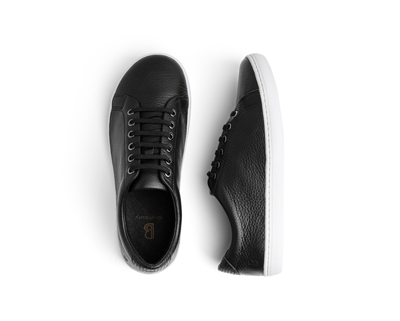
The Bramford is a barefoot leather sneaker built to pass as a normal sneaker. That's the whole idea.
Wide toe box. Zero-drop sole. Full-grain leather on the outside, so it reads as a clean leather sneaker instead of a foot health project.
Brands like Vivobarefoot helped push barefoot shoes into the mainstream. The Bramford takes the quieter route: a sneaker nobody clocks as anything but a sneaker.
The construction stays flexible from day one, which means no break-in period. No blister tax, no "just wear them around the house for a week" ritual. They work out of the box.
A few practical touches earn their keep too:
- Elastic no-tie laces: slip-on easy, no fiddling.
- Removable insole: takes custom orthotic inserts if you use them, comes out if you don't.
It sits where an everyday sneaker should. Not a niche experiment, not a lifestyle statement. Just a handcrafted shoe that lets your toes do their job while the rest of the world sees a normal pair of sneakers.
Prices accurate as of August 2026.
Common Questions About Barefoot Shoes for Women
What's the Difference Between Barefoot Shoes and Minimalist Shoes for Women?
Minimalist shoes is the broad category: anything lighter and more flexible than a standard shoe. Barefoot shoes are the strict subset, requiring a true zero-drop sole and a wide toe box. In other words, every barefoot shoe is minimalist, but plenty of minimalist shoes don't qualify as barefoot.
Can Barefoot Shoes Look Professional Enough for an Office Job?
Yes. Barefoot dress shoes, Mary Janes, and clean leather sneakers now pass in most workplaces without a second glance. The trick is choosing leather over mesh, since material does most of the dressing up.
How Long Does It Take to Get Used to Barefoot Shoes After Years in Heels?
Plan on two to six weeks, depending on how often you wore heels. Daily heel wearers usually land at the longer end, since their calves have more adapting to do. Gradual rotation beats going all-in on day one.
What Should Women Look for When Buying Their First Pair of Barefoot Shoes?
Three things: toe box width, sole flexibility, and honest sizing. Ignore the branding and check whether the shoe bends easily and follows your foot's actual shape. A shoe that nails those basics will outperform a famous logo that doesn't.
Are There Barefoot Dress Shoe Options That Don't Look Obviously Different From Regular Shoes?
Yes, and the category keeps improving. Several brands now make barefoot dress shoes and flats that read as ordinary business casual footwear. Full-grain leather and a conventional silhouette are what keep them incognito.
The Honest Answer
There's no single best barefoot shoe for women. There's only the right shoe for the reason you typed that search: foot health, office wear, heel transition, or everyday comfort.
The criteria never change: wide toe box, zero-drop sole, honest materials. Everything else is marketing.
Trends will keep churning out new shapes and louder claims. Your feet don't care. They care about room to splay, level ground to stand on, and leather that doesn't apologize for itself.
Buy for the criteria, not the hype. Your feet already know the difference.

Matthew Tran
Founder, Birchbury
Matthew Tran is a mechanical engineer who founded Birchbury. He started the company after struggling to find dress shoes that didn’t hurt — and barefoot shoes that didn’t look out of place at work. That gap led him to design his own: a wide-toe-box, zero-drop shoe made from full-grain leather, built specifically to look like a normal shoe. Birchbury has since been worn by lawyers, chiropractors, restaurant managers, and anyone else who spends their day on their feet and refuses to suffer for it.
More about Matthew Tran →