
Written by Matthew Tran, Birchbury's Founder
Saturday asks a lot of one pair of shoes.
Trail in the morning. Gym or yard work after lunch. Dinner with actual humans at night.
Your trail shoes look ridiculous at a restaurant. The shoes that pass at dinner leave your feet cooked by 4pm. So you pack two or three pairs, swap in parking lots, and still guess wrong half the time.
Here's the thing: the schedule was never the problem. The shoe was. The right pair of barefoot sneakers handles all three, and finding it is easier than you think.

What Makes a Barefoot Sneaker, and What Makes One Weekend-Ready
A weekend-ready barefoot sneaker needs four things: a zero-drop sole, a wide toe box, a thin flexible outsole with real traction, and a look that passes off the trail. Miss one, and Saturday falls apart somewhere between the trailhead and the table.
The Four Things Every Barefoot Shoe Has
Zero drop means your heel and forefoot sit at the same height. Heel-to-toe drop: 0 inches.
A wide toe box gives your toes room to splay across the front of the foot, not just extra length at the tip. Toe splay, the natural spread of your toes under load, is width, not size.
Then there's the build. Low stack height and a sole that bends where your foot bends deliver ground feel and proprioception, which is a fancy word for your feet actually knowing where they are.
That shift matters. Feet do more of the work in minimal footwear, according to peer-reviewed research. That's the point, and it's why pacing matters later.
What 'Weekend-Ready' Adds on Top
Barefoot shoes get you natural movement. Weekend-ready demands three more things: an outsole that grips wet rock and gym rubber, an upper that shrugs off sweat and mud, and a silhouette nobody comments on at dinner.
Curious about the mechanics? Here's how a thin, flexible sole changes every step.

What Your Weekend Actually Asks of One Pair of Shoes
One pair of shoes picks up four jobs on a Saturday: trail traction, gym durability, all-day pavement comfort, and a look that passes at dinner. Map an actual Saturday and the job description gets long fast.
Morning starts on the trail: uneven ground, loose gravel, damp roots, a few miles minimum. Traction is non-negotiable, and ground feel is what keeps your ankles honest on terrain that keeps changing under you.
Midday shifts the test. A gym floor, sled pushes, squats, or a home project that has you kneeling on concrete for two hours. Durability matters here in a way trail miles never quite expose.
The afternoon is quieter but sneakier. You stand around, drive, and walk pavement in and out of shops. This is where most shoes slowly grind you down without ever doing anything dramatic.
And at night, a restaurant or a friend's place, where trail shoes announce themselves from across the room. You know the look. You've gotten the look.
Most guys respond with the obvious move: one shoe per activity. A trail pair, a gym pair, a dinner pair.
Then Saturday arrives, plans shift, and they still packed the wrong one. More shoes, same problem.
The smarter test: judge barefoot shoes by the worst hour of the weekend, not the best one. Any sneaker survives the easy stretch. You want the pair that holds up when the day goes sideways, which is exactly the standard Birchbury built the Bramford to meet.

Ground Feel, Traction, and Stack Height: How to Read the Specs
Spec sheets love numbers. Your feet care about what those numbers feel like on gravel at mile three. Here's the translation.
How Thin Is Too Thin for a Trail
Target a stack height of 0.3 to 0.5 inches for mixed trail and pavement. Stack height is the total material between your foot and the ground.
Under 0.25 inches, you feel everything: great proprioception on pavement, less fun on sharp gravel. In that 0.3 to 0.5 range, you keep real ground feel while the trail stops filing complaints.
The trade is simple. More ground feel means more information from the surface and less padding against pointy objects. A removable insole gives you one dial to turn: leave it in for rocky trails, pull it out when you want the ground talking.
Traction That Works on Wet Rock, Gym Rubber, and Pavement
Look for a moderate lug depth of 0.1 to 0.15 inches. That range covers wet rock, gym rubber, and pavement without announcing itself.
Now flip the shoe over and check the extremes. Shallow outsole patterns slide on wet roots. Aggressive lugs feel wobbly on gym floors and look wrong next to a dinner menu.
One more thing: rubber compound beats lug drama for pavement mileage. Softer rubber grips; harder rubber lasts.
And test flexibility with your hands. The sole should twist and fold at the ball of the foot, with zero drop keeping your heel and forefoot level through all of it.

Sizing and Fit: Toe Splay Room Without Looking Like a Clown
Specs get you close. Fit gets you through hour six.
Measure your foot's length and width, then check both against the sizing guide instead of guessing off your old sneakers. Those lied to you for years.
Leave about a thumb's width ahead of your longest toe, which is often not the big one.
And know this: width, not length, decides whether you're still comfortable at dinner.
If You Have Wide Feet
If you have wide feet, pick a shoe that stays wide at the very front, where your toes actually spread. Plenty of barefoot shoes claim a wide toe box, then taper right after the ball of the foot. That kills toe splay exactly where you need it.
Socks, and Why They Change Your Size
Thick wool socks for a cold trail can eat your splay room in one move. Size for the socks you actually wear, not the thin pair you tried on with.
A removable insole helps here too. Pull it out and you get more room plus more ground feel. Two problems, one tug.

Durability: What a Season of Weekend Abuse Really Does
Fit sorted, the next question is how long the shoe survives you. Honest answer: pavement, not dirt, kills thin outsoles.
Trail miles are gentle by comparison. The wear shows up first under the ball of the foot, right where you push off, and once that spot goes smooth, your traction goes with it.
Uppers fail differently. They give out at flex points and stitch lines, so construction beats logos every time.
A full-grain leather upper scuffs, then keeps going for seasons. Mesh doesn't scuff. It tears, and that's the end of the story.
Two replacement signals:
- The outsole is slick where you push off.
- The sole stopped snapping back when you fold it.
A low stack height means less material to lose, so check often.
Price per Weekend Beats Price per Pair
A $120 pair worn 50 weekends runs $2.40 a Saturday. Sticker price is the wrong math. Divide cost by weekends worn.
Rotate in a second pair midweek and the weekend pair earns extra months, which drops that number further.
Your First Few Weekends Will Wake Up Muscles You Forgot About
Fair warning: zero drop puts your calves and Achilles back on the payroll after years of cushioned unemployment. Some soreness in the first weeks is normal.
Soreness that ruins your Monday is self-inflicted. Guys who rush the switch are the ones who quit and blame the barefoot shoes.
A Pacing Plan That Does Not Wreck Your Saturday
The switch works best in small doses:
- Week one: errands and short walks.
- Weeks two and three: add a few easy trail miles.
- After that: keep your old shoes for the long days until your feet catch up.
That gradual ramp mirrors a 10-week study on adapting to minimal footwear, and a systematic review backs the slow build. Most guys stop noticing the difference within a month, and the ground feel and proprioception start feeling like the default.
When to Talk to a Professional First
Anyone managing a current foot or ankle issue, diabetes, or a recent injury should check with their own doctor or physical therapist before switching footwear across the board. Five-minute conversation, zero regret.

Cleaning Off the Mud, Sweat, and Rain Before Next Saturday
One pair doing every job means one pair collecting every mess. Five minutes on Sunday keeps it ready for the next round.
Start with the mud. Let it dry, then knock it off before it grinds into the stitching. Rinse the outsole lugs while you're at it, because packed dirt turns traction into a suggestion.
The full-grain leather upper is low-maintenance: damp cloth, mild soap, and conditioner every month or two. Never park it on a radiator or toss it in a dryer. Heat cracks leather faster than any trail will, and that shortcut costs you the durability you paid for.
Inside the shoe, pull the removable insole out to dry overnight. Nothing ruins a Sunday errand run like sliding into a damp shoe. Stuff the pair with newspaper to hold shape while it air-dries away from direct heat.
One upstream trick: wear wool socks instead of cotton. Wool handles two days of use, dries faster, and keeps the inside less swampy in the first place. Less cleanup, same shoe, next Saturday.
The Pair That Covers the Trail, the Gym, and the Dinner Table
Run this article's checklist against the Bramford and the boxes fill themselves. Zero drop keeps your heel and forefoot level from trailhead to table.
The wide toe box stays wide where your toes actually splay, not just at the tip. And the flexible construction has no break-in period, so Saturday morning is not a gamble.
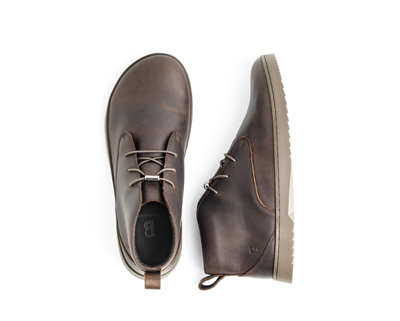
The removable insole is your dial: leave it in for pavement, pull it out for more ground feel on the trail. Elastic no-tie laces get you in and out in seconds, which matters when you're changing plans in a parking lot.
Between sizes? Go by width and the socks you actually wear. The fit section above already settled that argument.
Why Leather Is the Detail That Makes One Pair Work
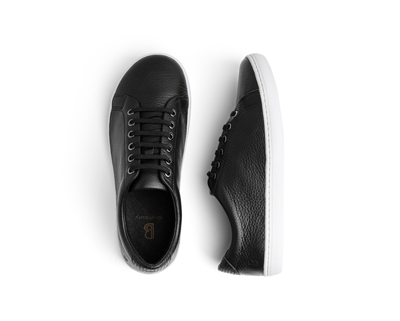
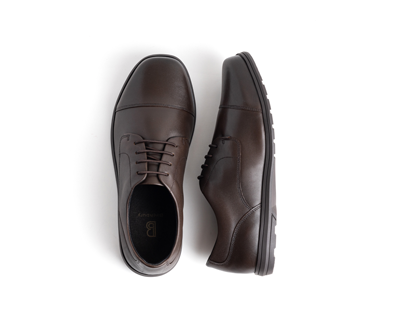
We handcraft every Birchbury with American full-grain leather, and that upper is the reason a single pair survives all three jobs. Full-grain leather scuffs and keeps going. That's durability mesh can't offer, and it's also why the Bramford reads as a normal sneaker at dinner, no explanation required.
The payoff is practical. Next trip, you're packing one pair for a weekend away, not three.
A shoe designed to support natural movement that also looks like you didn't overthink it. That's the whole pitch.
One Bag, One Pair, No Excuses
Remember the parking lot shoe swap? The false choice was never comfortable versus presentable.
It was a shoe built for one hour versus a shoe built for two days. You were choosing between specialists when the job called for a generalist.
The checklist fits in one breath: zero drop, a wide toe box that stays wide up front, a thin flexible sole with real traction and honest ground feel, and an upper that ages instead of dying. Four boxes. Check them once, stop shopping.
Then get the fit right, pace the first few weekends, and something quiet happens: the shoes disappear from your attention entirely.
No swapping. No second-guessing. No duffel bag rattling with backup pairs.
That's the actual goal. Not a shoe you think about all Saturday. A shoe you never think about at all.
Questions Guys Ask Before Their First Barefoot Weekend
Are Barefoot Shoes Good for Exercising?
Yes. A flat, stable platform and honest ground feel help with lifting, sled work, and general training. One caveat: hold off on long paved runs early, since concrete miles demand strength your calves haven't rebuilt yet.
What Are the Downsides of Wearing Barefoot Shoes?
Three honest ones: less padding on concrete, so long pavement days take adjustment, plus a real adaptation period while your feet get back to work. And thin outsoles wear faster on pavement, which means durability depends on where you stack your miles.
Can One Barefoot Sneaker Handle a Hike, the Gym, and Dinner After?
Yes, if it clears two bars: an outsole with usable traction on wet rock and gym rubber, plus an upper that reads as a normal shoe at the table. The Bramford clears both.
How Many Weekends Before They Stop Feeling Strange?
Most guys feel normal within a few weeks of regular wear. A gradual switch, errands first and trail miles later, shortens the awkward phase considerably. Rush it, and you'll measure in months instead.
Prices accurate as of January 2025.

Matthew Tran
Founder, Birchbury
Matthew Tran is a mechanical engineer who founded Birchbury. He started the company after struggling to find dress shoes that didn’t hurt — and barefoot shoes that didn’t look out of place at work. That gap led him to design his own: a wide-toe-box, zero-drop shoe made from full-grain leather, built specifically to look like a normal shoe. Birchbury has since been worn by lawyers, chiropractors, restaurant managers, and anyone else who spends their day on their feet and refuses to suffer for it.
More about Matthew Tran →