
Gate B47 is half a mile away, your connection boards in twelve minutes, and your dress shoes have already declared war on your heels.
One pair has to do everything now. The meeting, the terminal sprint, the cobblestone detour after dinner.
The right barefoot shoes handle all of it, and they come down to four features: a wide toe box, zero drop, a durable outsole, and true sizing. Here's the checklist.

What to Look For in a Barefoot Shoe Built for Travel
Four features decide whether a pair earns a spot in your bag.
Wide Toe Box and Toe Splay
Start with the toe box. A wide toe box is exactly what it sounds like: room for your toes to splay naturally instead of getting squeezed together.
That matters more with every mile you log between gates. Cramped toes on a two-hour layover walk feel exactly like they sound.
Zero Drop, Stack Height, and Ground Feel
Next, the sole. Zero drop means no height difference between heel and toe, so your foot stays level all day.
Stack height is how much material sits between your foot and the ground. A low stack height preserves ground feel, which helps your balance instead of fighting it.
Most traditional dress shoes hide a noticeable heel lift. Barefoot construction skips that entirely.
Outsole, Traction, and Durability
Pick an outsole with real traction and durability that outlasts high-mileage days. It deserves more attention than it usually gets.
A thin sole feels great until a full day of airport miles grinds it down, so check the tread before you check the color options.
Slick terminal floors and rain-soaked sidewalks don't care how minimal your shoe is.
Sizing, Fit, and the Removable Insole
Then there's sizing and fit. Buy true to size and insist on a removable insole.
Feet swell on long flights, a well-documented effect of sitting still at altitude, according to Mayo Clinic.
A removable insole buys you extra volume when your feet balloon somewhere over Denver, and true sizing means the shoe still fits when you land.
Here's the short version of the checklist:
- Wide toe box
- Room for natural toe splay on long terminal walks
- Zero drop, low stack height
- Level footing and real ground feel
- Grippy, durable outsole
- Traction and stability that survive airport miles
- True sizing and a removable insole
- Space for in-flight swelling
Nail all four and one pair covers your entire itinerary. Miss one and you'll feel it by the second leg of the trip.
That covers the checklist. The skeptics deserve a word before you start shopping.

Why Some Podiatrists Push Back on Barefoot Shoes
One objection deserves airtime before you commit. Some podiatrists aren't fans of barefoot shoes, and their reasoning is worth hearing.
The short answer up front: the main objection targets how fast people switch, not the shoes themselves.
The Real Disadvantages You Should Know About
The core concern is speed. People jump from cushioned sneakers to thin soles overnight, log ten miles, and wonder why everything hurts.
The shoes rarely cause the problem. The transition does.
Warnings about reduced stability or ankle strain usually trace back to that rushed switch, not the design itself. Durability complaints, meanwhile, generally point at flimsy construction, which is a quality problem, not a category flaw.
Research supports the slow approach. One foot strength study found that walking in minimal footwear strengthened feet as effectively as a dedicated foot exercise program.
And a little perspective helps here. A desk job reshapes everything below your ankles long before any barefoot shoe gets the chance to.
Who Should Skip Barefoot Shoes
Still, the caution is legitimate for certain people. Barefoot shoes are the wrong call, at least without a doctor's sign-off, if any of these apply:
- A foot or ankle injury that's still healing
- Diagnosed conditions like severe plantar fasciitis, rigid flat feet, or diabetes-related nerve issues
- Recent foot surgery of any kind
- Balance problems that make less cushioning a real risk
Everyone else? A gradual transition handles most of what the skeptics worry about, and your feet come out stronger for it.

How to Break In Barefoot Shoes Before Your Next Trip
The skeptics had one valid point: rushing the switch hurts. So don't rush it. Give yourself three to four weeks minimum.
The transition to barefoot shoes wakes up muscles that cushioned footwear let nap for years. Your calves and arches suddenly have jobs again, and a sudden switch to a zero-drop, wide toe box shoe can leave both of them sore.
Start weeks before departure, not days.
A Timeline That Won't Wreck Your Feet
The trip itself is the worst possible training ground. Do the adaptation at home, where a sore arch means a night on the couch instead of a limp through Terminal C.
The short version: begin with an hour or two of daily wear, add time gradually, and let your toes get used to actual toe splay before you ask them to log airport miles. We've laid out a realistic transition plan with the full week-by-week breakdown.
Three to four weeks, minimum. Your feet don't read boarding passes.
Signs You're Rushing It
Your body files complaints when you push too fast. Listen for these:
- Shin soreness: lingers past a day
- Arch fatigue: shows up early in a walk
- Tight calves: every single morning
Any of those means slow down, not stop. Dial back the daily hours, recheck your sizing and fit, and build back up. Sore feet at home beat sore feet abroad every time.
Sneaker or Dress Shoe: Picking Your One Travel Pair
Your feet are ready. Now for the actual decision, and it comes down to two realistic candidates: a barefoot sneaker or a barefoot dress shoe.
Your itinerary picks the winner. Short version: the Bramford for walk-heavy casual trips, the Brenston for anything with a dress code.

Bramford: The Barefoot Sneaker
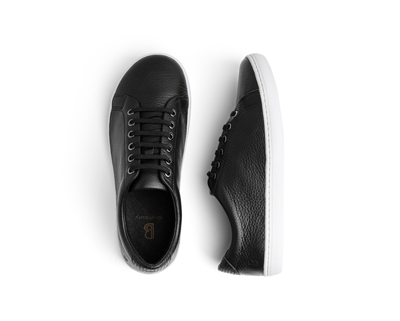
The Bramford is a barefoot sneaker built for casual travel. Wide toe box, zero drop, and handcrafted American full-grain leather in a silhouette that reads as a regular sneaker, not a science experiment.
Casual barefoot shoes like this one earn their keep on city walking days and long terminal hauls. The grippy outsole handles slick airport floors, and the durability holds up long after the airport miles pile up.
Two travel-specific bonuses. The removable insole adds volume when your feet swell mid-flight, and the elastic no-tie laces mean zero fumbling at security.
Good news on that front: the official TSA announcement from July 2025 confirms shoes now stay on at checkpoints anyway.
Shop the Bramford barefoot sneaker →

Brenston: The Barefoot Dress Shoe
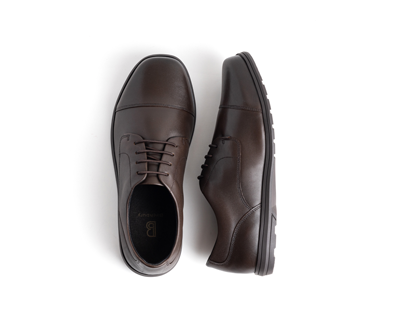
The Brenston is a barefoot dress shoe built for business travel. If your trips involve conference rooms instead of cobblestones, it takes the slot.
It looks like a classic oxford and passes for business meetings without surrendering the wide toe box or the zero drop hiding inside.
Same handcrafted American full-grain leather. Same removable insole for swollen-foot insurance. Different room it walks into.
Side-by-Side Comparison
Not sure which trip type you're packing for? This settles it.
| Feature | Bramford | Brenston |
|---|---|---|
| Stack height | Low, flexible | Low, flexible |
| Drop | Zero | Zero |
| Style | Casual sneaker | Classic oxford |
| Best for | Sightseeing, casual trips, heavy walking days | Business travel, client dinners, dress codes |
In practice, the split is simple. Mostly walking? Bramford. Mostly meetings? Brenston. Either way, your feet stop paying for the trip.
Making the Call for Your Next Trip
The comparison table did most of the work. What's left is committing to one pair matched to your dominant trip type, and that part trips people up more than it should.
Here's the thing about hedging: two mediocre pairs take twice the space and solve nothing. One versatile pair of barefoot shoes, chosen for your actual itinerary, beats both of them.
Packing Light Without Losing Options
One-bag travelers already know this math. Every shoe you don't pack is room for something you'll actually use.
So match the shoe to your typical trip, not your fantasy trip. Casual city stops and heavy walking days point to casual barefoot shoes. Client meetings and dress codes point to the oxford.
A single pair also raises the stakes on construction. Once you're relying on one shoe for the whole trip, durability and traction stop being nice-to-haves.
Stability on wet sidewalks matters a lot more when there's no backup pair in the hotel room.
One last check before you order. Long-haul flights swell your feet, so revisit your sizing with that in mind, and lean on the removable insole for extra volume when you need it.
Pick the pair that matches your calendar. Done. A few questions probably remain, though, and they come up every time.
Frequent Flyer Questions About Barefoot Shoes
Who Should Not Wear Barefoot Shoes?
People with healing foot injuries, recent surgery, diabetes-related nerve issues, or serious balance problems should talk to a doctor first. The full list sits a few sections up, and it hasn't changed in the last thousand words.
What Are the Best Barefoot Shoes for Men?
The best pair is the one matching your itinerary: wide toe box, zero drop, and an outsole with real durability. A sneaker covers casual trips; an oxford covers everything with a dress code.
Do Physios Recommend Barefoot Shoes?
Generally, yes, with one condition: transition slowly. Concerns about stability and strain usually come from rushing the switch, not the shoes themselves.
Can One Pair of Barefoot Shoes Handle Both Flights and Business Meetings?
Yes, if it's dressed for the meeting. The Brenston passes for a classic oxford in the boardroom and still gives your feet room to survive the terminal in between.
Shop the Brenston barefoot dress shoe →
How Long Does It Take to Get Used to Barefoot Shoes Before a Trip?
Plan on three to four weeks of gradual daily wear. Shorter than that and your calves will file a formal complaint somewhere around day two of the trip.
One Pair, Every Situation, Zero Overthinking
Here's what all of this boils down to. A travel barefoot shoe needs three non-negotiables: a wide toe box, zero drop, and construction that survives more than one trip.
The number of shoes in your bag was never the problem. The fundamentals were.
Get those right and one pair of barefoot shoes handles the red-eye, the client meeting, and the long walk back to the hotel. No swapping. No second-guessing at 5 a.m. while your suitcase judges you.
Your feet already know what they need. You just picked a shoe that finally agrees with them.
Pack it. Board. Done.
Prices accurate as of July 2026.

Matthew Tran
Founder, Birchbury
Matthew Tran is a mechanical engineer who founded Birchbury. He started the company after struggling to find dress shoes that didn’t hurt — and barefoot shoes that didn’t look out of place at work. That gap led him to design his own: a wide-toe-box, zero-drop shoe made from full-grain leather, built specifically to look like a normal shoe. Birchbury has since been worn by lawyers, chiropractors, restaurant managers, and anyone else who spends their day on their feet and refuses to suffer for it.
More about Matthew Tran →