
Written by Matthew Tran, Birchbury's Founder
I spent years wearing shoes that crushed my toes because I thought looking sharp required a little suffering.
And when I finally discovered barefoot shoes, my feet stopped hurting, BUT I ran into a totally different problem: I looked like I was about to hike the Appalachian Trail when I was just trying to grab dinner or head to work.
Nowadays, you no longer have to face the same problems that I did because there are two shoe brands that work great in their respective fields. So without further ado, allow me to introduce them to you.
Here is how Birchbury and Vivobarefoot compare, and how to pick the right pair for where you are actually going.

Two Barefoot Philosophies, Two Different Destinations
Both Birchbury and Vivobarefoot agree on the core principles of natural foot movement. Feet need a wide toe box so toes can splay naturally instead of being squeezed into a narrow point.
Both brands use zero-drop soles, keeping your heel and forefoot level to encourage healthier posture and natural stride mechanics.
So the real distinction isn't the health philosophy. Instead, it is the environment the shoes were engineered to tackle:
- Vivobarefoot builds athletic gear designed for maximum terrain feel and rugged outdoor performance.
- Birchbury crafts refined leather shoes made to pass seamlessly in offices, weddings, dates, and everyday smart casual environments without looking like gym gear.
Let me go a level deeper in explaining the distinction between these shoes.

Birchbury: Barefoot Freedom for the Office, Dates, and Everyday Smart Casual
I started Birchbury because I was tired of sacrificing my feet for traditional dress shoes or sacrificing my style for sporty barefoot options.
That’s why Birchbury shoes are built from the ground up for clean, professional settings where traditional footwear usually hurts.
Grown-Up Aesthetics with Zero "Clown Shoe" Energy
Most barefoot shoes draw attention because of wide, exaggerated toe shapes or loud synthetic panels.
But Birchbury solves this using premium American full-grain leather, clean silhouettes, and a clever faux heel design.
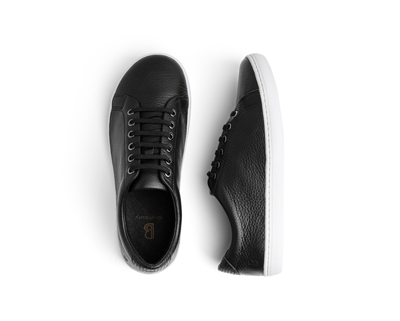
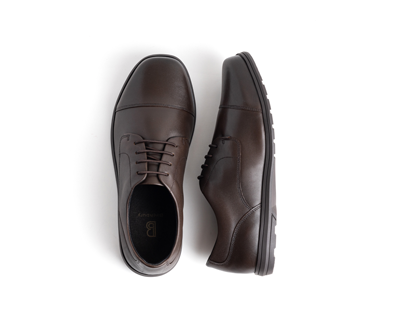
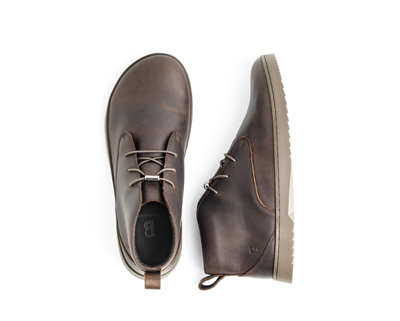
Models like the Brenston dress shoe, Bramford sneaker, and Carnforth chukka boot deliver complete barefoot functionality inside while maintaining a sleek, classic profile outside.
Everyday Convenience and Instant Comfort
When you are on your feet on hard concrete or hardwood floors all day, extreme ground feel can sometimes turn into fatigue.
This is the reason why Birchbury shoes come equipped with a plush, removable insole that provides comfortable daily protection without compromising natural foot alignment.
Plus, our slip-on no-tie elastic laces mean you get an instant, custom fit without ever fussing with shoelaces.
And one thing I’m very proud of is the high-grade leather that is soft out of the box. Which means that there’s no break-in period required. Wear them straight out of the box and go about your day like normal.

Vivobarefoot: Built for Trails, Workouts, and Active Performance
On the other hand, if your daily life involves technical trails, heavy gym workouts, or off-road mud, Vivobarefoot is built specifically for that level of outdoor intensity.
Maximum Ground Feel and Technical Athletic Gear
Vivobarefoot focuses on ultra-thin, puncture-resistant rubber soles engineered to give your feet direct tactile feedback from the earth.
This hyper-thin design helps activate foot sensory receptors during dynamic outdoor movement, weightlifting, or trail running.
Lightweight Mesh and Recycled Sport Synthetics
Many Vivobarefoot models utilize lightweight, highly breathable synthetic mesh and eco-friendly recycled materials.
These materials dry quickly, shed mud easily, and handle intense sweat, making them ideal for high-exertion athletic training or off-grid adventures.
Feature-by-Feature Comparison: Birchbury vs. Vivobarefoot
Here’s a side-by-side comparison between Birchbury and Vivobarefoot.
|
Feature / Core Focus |
Birchbury |
Vivobarefoot |
|
Primary Use Case |
Office, business casual, dates, weddings, daily wear |
Gym training, trail running, hiking, outdoor sports |
|
Upper Materials |
American full-grain leather |
Recycled synthetic mesh, performance fabrics, wild hide |
|
Sole & Insole Feel |
Flexible sole with squishy, removable protective insole |
Ultra-thin, maximum tactile ground feel |
|
Lacing System |
Slip-on no-tie elastic laces |
Traditional athletic laces or quick-cinch toggles |
|
Dress Code Compatibility |
Fits seamlessly into formal, professional, and smart casual settings |
Best suited for activewear, gym wear, and outdoor gear |
|
Price Range |
$120 to $197 (Sneakers at $120, Dress Shoes at $180, Chukka Boots at $197) |
$130 to $240+ (Athletic trainers at $130 to $160, Performance trail/hiking boots up to $240+) |

Which Barefoot Shoe Fits Your Routine Better?
Now that it’s clear how Birchbury and Vivobarefoot differ in terms of purpose, choosing between these two brands comes down to honest self-assessment of where you spend most of your waking hours.
Here’s my honest take on that:
- Pick Vivobarefoot if: You are searching for technical athletic footwear to crush trail runs, hit deadlift PRs in the gym, or trek through muddy terrain where rapid-drying performance mesh is essential.
- Pick Birchbury if: You’re like me who spend your week navigating office environments, attending social events, going out on dates, or walking hard city sidewalks. Or if you simply want your feet to feel totally free without looking like you just stepped out of a crossfit box.
The Right Tool for the Right Environment
Barefoot shoe design is not one-size-fits-all, and active trail gear serves a completely different job than sleek daily footwear. You wouldn't wear cleats to a business presentation, and you wouldn't wear wingtips on a muddy mountain trail.
That’s why you should always pick the right pair of shoes for the job. And honestly, if you’re an urban warrior during weekdays and you like to go off the beaten path on the weekends, grabbing a pair from each of these brands could be a wise decision.
Explore Birchbury’s full range of barefoot-inspired everyday shoes designed for comfort and style a birchbury.com.
FAQs
1. Are Birchbury shoes of good quality?
Yes. Birchbury shoes are crafted using premium American full-grain leather, which is the highest, most durable grade of hide available. Unlike conventional dress shoes that use stiff synthetic coatings or bonded leather, Birchbury uppers are supple right out of the box, offering a zero break-in period and natural breathability. Paired with flexible, non-slip rubber outsoles and reinforced stitching, they are built to look refined while handling years of daily wear.
2. Are Birchbury shoes zero drop?
Yes, completely. All Birchbury models, including the Brenston dress shoe, Bramford sneaker, and Carnforth chukka boot, feature a true 0mm heel-to-toe drop. The heel and forefoot sit at the exact same height off the ground, encouraging natural posture, proper spinal alignment, and healthier gait mechanics. To preserve a classic profile for offices and formal events, Birchbury incorporates a subtle faux heel design on the outside while keeping the interior flat.
3. Are Birchbury shoes durable?
Yes. Because they are constructed with full-grain leather, the upper resists cracking and tearing far better than cheaper top-grain or synthetic alternatives. The durable, non-slip rubber outsoles are engineered to withstand repeated friction against concrete, pavement, and office flooring. Furthermore, because the leather naturally conforms to the foot rather than forcing it into a stiff mold, there are fewer high-tension pressure points that cause premature blowout along the sides.
4. Which brand is considered the best for barefoot shoes?
There is no single "best" brand for everyone because the ideal barefoot shoe depends entirely on where you intend to wear it:
- For Office, Social Events, & Smart Casual Wear: Birchbury is widely considered the top choice.
- For Trail Running, Hiking, & Gym Workouts: Vivobarefoot or Xero Shoes lead the market for athletic performance.
5. Are barefoot shoes good for walking?
Yes, but with an important transition rule. Barefoot shoes are excellent for walking because they allow your toes to splay naturally for better balance and strengthen the small muscles in your feet and ankles that cushioned shoes keep dormant.
However, walking on unforgiving artificial surfaces like concrete all day can cause initial fatigue if you switch too quickly. Birchbury addresses this by including a plush, removable protective insole. This provides comfortable daily shock absorption on city sidewalks while keeping your feet flat and properly aligned.

Matthew Tran
Founder, Birchbury
Matthew Tran is a mechanical engineer who founded Birchbury. He started the company after struggling to find dress shoes that didn’t hurt — and barefoot shoes that didn’t look out of place at work. That gap led him to design his own: a wide-toe-box, zero-drop shoe made from full-grain leather, built specifically to look like a normal shoe. Birchbury has since been worn by lawyers, chiropractors, restaurant managers, and anyone else who spends their day on their feet and refuses to suffer for it.
More about Matthew Tran →