
Key Takeaways
- Comfort should come before formality when picking work shoes, since court days and standing hours ask more of your feet than any dress code.
- The right shoe for a lawyer actually depends on the day: courtroom, office, or client meetings each call for a different build.
- Black still reads as the safer, more formal choice, though brown has earned a real place in most modern law offices.
- A zero-drop sole and full-grain leather let one pair move easily from a courtroom appearance to a casual client lunch.
Written by Matthew Tran, Birchbury's Founder
Some days you're at your desk from early morning through back-to-back calls. Other days you're standing in front of a jury for hours. You barely notice your feet until they start screaming at you.
That's the rhythm of practicing law, and it rarely leaves room for shoes that only work for one setting.
I design shoes for exactly this kind of day. Dressy enough for court, comfortable enough to forget you're wearing them, and sturdy enough for the sidewalks between appointments.
Below, I'll walk through what Birchbury's lawyer customers actually reach for. It depends on whether they're arguing a case or just getting through office hours.
Table of contents:
- What Kind of Shoes Do Lawyers Actually Need?
- The Best Shoes for Lawyers, Matched to Your Day
- Black or Brown? What Color Shoes Lawyers Should Actually Wear
- Can Lawyers Wear Loafers, Sneakers, or Boots?
- Why Comfort Should Drive Your Shoe Choice
- Comfortable Enough for the Office, Credible Enough for the Courtroom
- FAQs
What Kind of Shoes Do Lawyers Actually Need?
Lawyers need shoes that split the difference between comfort and formality. Too casual, and you risk looking unprepared in front of a judge or client. Too stiff and rigid, and an eight-hour day turns into a slow battle with your own feet.
Leather is the material that bridges that gap. It holds a sharp line for dress codes, yet it softens and moves with your foot over time. Synthetic uppers, by contrast, stay stiff no matter how long you wear them.
Birchbury's actually been worn by a fair number of lawyers already. The same goes for chiropractors and others who spend entire days on their feet. That's the group this guide is written for: people who need their shoes to perform, not just look the part.
The Best Shoes for Lawyers, Matched to Your Day
Not every day in this profession looks the same, so one pair rarely covers it all. Here's how four Birchbury styles match up with four different kinds of lawyer days.
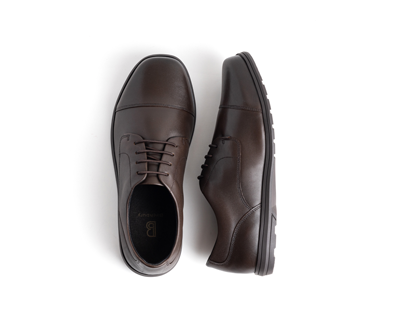
Court Days: Dress Shoes Built to Stand in All Day (Birchbury Brenston)
Court days mean hours on your feet, often standing while you present or wait on a ruling. The Birchbury Brenston is a barefoot dress shoe built for exactly that stretch of standing and pacing.
It has a wide toe box, so your toes aren't pinned together for hours. It also has a zero-drop sole that keeps your heel level with your forefoot. From the outside, it reads as a plain, respectable oxford, the kind no judge would look at twice.
Pair it with a suit and tie for a hearing, or dress it down for a smart casual office day.

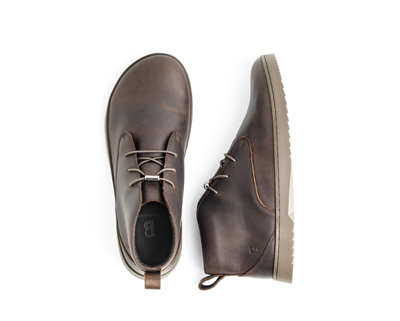
A Dressed-Down Edge: Chukka Boots for Smart Casual (Birchbury Carnforth)
Not every day calls for a full suit. Depositions, client lunches, or travel days often leave more room to dress down.
The Birchbury Carnforth is a chukka boot that fills that gap. Paired with the right color, it can elevate a smart casual outfit instead of looking like an afterthought.
It still carries the same wide toe box and zero-drop sole as the rest of the lineup. Comfort doesn't disappear just because the dress code loosens.

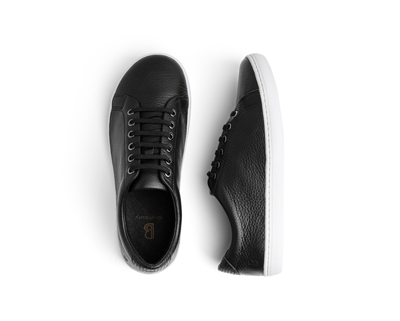
Casual Office Days and City Walking: Sneakers (Birchbury Bramford)
Plenty of legal work happens outside court: research, drafting, and internal meetings. Most of those days are spent at a desk or walking between offices.
The Birchbury Bramford is a full-grain leather sneaker built for exactly those days. It looks clean enough for a casual office, yet comfortable enough for the walk to the train. It also works for a quick errand at lunch.
For both male and female lawyers, it's often the shoe that gets the most actual mileage during the week.

Client Meetings Without the Sneakers: Penny Loafers (Birchbury Emhurst)
Some days split the difference again: a casual morning followed by a serious afternoon meeting. Sneakers might read as too relaxed once that meeting starts.
The Birchbury Emhurst is a penny loafer that solves that problem. It dresses up more easily than a sneaker, without the stiffness of a full oxford.
It works well for a day that moves between casual office hours and a client sitting across the table.
Black or Brown? What Color Shoes Lawyers Should Actually Wear
Black remains the safer default, especially for court appearances or senior partners who still expect tradition. It reads as formal without a second thought.
Brown has earned a real place in most offices, though. A rich brown or burgundy dress shoe still looks sharp under a suit. It's also the more versatile choice if you want to wear the same pair on smart casual days.
My general rule: lean black for court or client-facing days where tradition still rules. Save brown for regular office days when the dress code has more give.
Can Lawyers Wear Loafers, Sneakers, or Boots? Clearing Up the Gray Areas
Loafers are generally safe for lawyers, especially in offices that have relaxed their dress code over the past few years. They're less appropriate in courtrooms that still expect a traditional oxford or derby.
Sneakers are more situational. A clean, full-grain leather sneaker can work for an internal office day with no client meetings. It's still a risk in front of a judge or a conservative partner.
Dress boots, like a chukka, usually fall somewhere between the two. They suit smart casual days, travel, or client meetings outside a courtroom. Most lawyers still default to a dress shoe for anything in front of a judge.
Why Comfort Should Drive Your Shoe Choice, Not Just the Dress Code
Dress codes tell you what a shoe should look like. They rarely account for how many hours you'll actually spend in it, which is where comfort has to take over.
A Wide Toe Box Means No Pinched Toes After a Long Day in Court
Most dress shoes taper sharply toward the front, squeezing toes together for hours at a time. Over years, that kind of narrow fit has been linked to a higher risk of bunions, not just genetics.
A wide toe box lets your toes spread the way they would barefoot. That's the first thing I design around in every Birchbury shoe.

A Zero-Drop Sole Keeps Your Posture in Check When You're on Your Feet
Most dress shoes raise the heel slightly above the forefoot, shifting your weight forward with every step. A study found a 4 cm rise in heel height increased peak forefoot pressure by about 30% in healthy women.
A zero-drop sole keeps your heel and forefoot level, so your weight sits where it should. After a full day standing in court, that difference adds up.
Full-Grain Leather That Dresses Up or Down
Full-grain leather holds a crisp line for the office, then softens with wear instead of cracking. It's the material that lets one pair move between a hearing and a casual client lunch.
From what I've heard from our lawyer customers, that versatility matters more than owning five specialized pairs.
A Colorway That Still Reads as a "Normal" Dress Shoe
A good colorway should never scream for attention in a courtroom or a conference room. Black, brown, or burgundy all keep a shoe looking like a normal dress shoe, which is exactly the point.
That's the whole idea behind Birchbury: comfort features hidden inside a shape nobody questions.
Comfortable Enough for the Office, Credible Enough for the Courtroom
Practicing law was never going to be a desk job alone. Some days ask you to sit for hours. Others ask you to stand in front of a room and hold your ground.
Either way, your shoes have to keep up.
Choose the Brenston if your week includes courtroom days or client meetings that call for a true dress shoe. Choose the Bramford if most of your days are spent at a desk or walking between offices.
The Carnforth and Emhurst cover everything in between, from smart casual depositions to afternoons that shift from casual to client-facing.
Every pair shares the same foundation: a wide toe box, a zero-drop sole, and full-grain American leather. It's built to move with you instead of against you.
If you're looking for a new pair of shoes wherever your days lead you, Birchbury shoes are worth a try.
FAQs
1. What shoes do lawyers wear to court?
Most lawyers wear a plain, polished dress shoe to court, typically an oxford or derby in black or dark brown. Courts tend to favor conservative styles over loafers or boots, especially during trial days. A wide toe box and zero-drop sole help on court days, since you may stand or pace for hours. Avoid anything overly casual, trendy, or with visible branding.
2. Do lawyers have to wear Oxfords specifically?
No, oxfords aren't a strict requirement, but they're the safest and most traditional choice for courtroom settings. Derby shoes and clean, cap-toe dress shoes are generally accepted as well, especially in less formal courts. What matters most is a polished, closed-toe leather shoe that reads as professional. Loafers and sneakers are better saved for office days rather than appearances before a judge.
3. What are the most comfortable dress shoes for lawyers who stand or walk a lot?
The most comfortable dress shoes combine a wide toe box, a flexible sole, and a low or zero-drop heel. Standing for long stretches strains your feet and lower back, so fit and cushioning matter more than looks. Barefoot-style dress shoes, like the Birchbury Brenston, are built specifically to handle that kind of day. Breaking in a new pair before a big trial is also worth doing in advance.
4. What shoes should female lawyers wear to court?
Female lawyers typically wear closed-toe pumps, flats, or block heels in black or neutral tones for court. Comfort matters just as much here, since trial days can mean hours of standing or walking between rooms. A low, stable heel is usually a safer choice than a high, thin one for long days. Open-toe shoes and sandals are best avoided in courtroom settings.
5. Are dress boots acceptable for lawyers?
Yes, a clean chukka boot or similar dress boot is acceptable for office days and client meetings outside of court. It reads as smart casual rather than formal, fitting depositions or travel days better than trial appearances. Stick to a simple, dark leather boot rather than anything rugged or casual looking. For court itself, a traditional dress shoe is still the safer option.
6. How much should a lawyer spend on work shoes?
There's no fixed budget rule here, and most lawyers can afford a well-made pair without it being a major expense. The better question is whether the shoe actually holds up to the hours you put it through. A well-built, full-grain leather shoe with a comfortable fit will outlast a cheaper pair many times over. Spending a bit more upfront on comfort usually saves money, and foot pain, later.

Matthew Tran
Founder, Birchbury
Matthew Tran is a mechanical engineer who founded Birchbury. He started the company after struggling to find dress shoes that didn’t hurt — and barefoot shoes that didn’t look out of place at work. That gap led him to design his own: a wide-toe-box, zero-drop shoe made from full-grain leather, built specifically to look like a normal shoe. Birchbury has since been worn by lawyers, chiropractors, restaurant managers, and anyone else who spends their day on their feet and refuses to suffer for it.
More about Matthew Tran →