
Written by Matthew Tran, Birchbury's Founder
You train your chest on Monday. Legs on Tuesday. You have opinions about protein timing.
Meanwhile, the more than 20 muscles in each foot get zero attention. Worse than zero, actually. You wrap them in stiff, narrow, heel-raised shoes for ten hours a day and expect them to hold up your entire body without complaint.
Here's the good news: figuring out how to build stronger feet doesn't require a gym membership or a single burpee. It comes down to two things: 10 minutes of daily foot exercises, and shoes with a wide toe box and zero-drop sole.

The Short Answer: Exercise Your Feet, Then Stop Undoing the Work With Your Shoes
The formula has two parts:
- Strengthen the intrinsic foot muscles (the small muscles that live entirely inside your foot and hold up the arch) with simple daily work.
- Wear footwear that doesn't undo that work by lunchtime: a wide toe box (shaped like an actual foot, so your toes can splay) and a zero-drop sole (no height difference between heel and forefoot).
Most men only attempt the first part. Then they slide their newly awakened feet into rigid shoes with a raised heel and a toe box shaped like an envelope, and the muscles go right back to sleep.
Peer-reviewed research found that walking in barefoot shoes built foot muscle as effectively as a dedicated foot-strengthening exercise program. The footwear half matters more than you'd think.
A six-month study in Nature's Scientific Reports put a number on it: foot strength up 57.4% on average, just from walking in barefoot shoes. Your commute can double as training.
That's the whole trick. First, a quick gut check.

Signs of Weak Feet Men Usually Ignore
Weak feet show up as aching arches, shaky single-leg balance, toes that won't spread, afternoon fatigue, and early plantar fasciitis twinges. Check whether yours are already waving a white flag:
- Arches that ache after an hour of standing
- Balance and stability that get shaky the moment you stand on one leg
- Toes that can't spread apart on command
- Foot fatigue that shows up mid-afternoon, every afternoon
- Early plantar fasciitis twinges (an irritated tissue band along the bottom of the foot), especially with the first steps of the morning
The sneaky part? Weak feet rarely announce themselves as foot problems.
They show up later as knee pain, cranky ankles, or an arch that files a formal complaint after a long day. The feet quietly stopped doing their job first, and everything above them picked up the tab.
What You'll Need (Spoiler: Almost Nothing)
The bad news is that your feet are weaker than they should be. The good news? The equipment list for this project would embarrass a home gym salesman.
The full list:
- Bare feet and about 10 minutes a day
- A tennis or golf ball for the ball roll massage
- A towel and a handful of marbles for the classic exercises
- Shoes with a wide toe box and zero-drop sole for the other 15 hours of your day
- Patience, because feet strengthen on tendon time, not gym time
That last one trips people up. Muscles adapt in weeks. The connective tissue in your feet works on a slower calendar, and it doesn't care about your deadline.
No excuses left. Time to put that gear to work.

Step-by-Step: How to Strengthen Your Feet Naturally
Five steps. Do them in order, and give each one a fair shot before judging the results.
Step 1: Loosen Up With Daily Foot Stretches
Two daily stretches, 30 seconds each, get your feet ready to strengthen. Tight feet don't strengthen well, so this comes first.
- Achilles tendon stretch: Stand facing a wall, one foot back, heel planted, and lean in until you feel the pull along the calf. Hold 30 seconds per side.
- Big toe stretch: Pull your big toe gently back toward your shin and hold 30 seconds.
Do both daily, and you're already ahead on plantar fasciitis prevention.
Step 2: Build Strength With Simple Exercises
Now the actual training. These foot-strengthening exercises look ridiculous and work anyway:
- Toe curls: Grip the floor with your toes, hold 5 seconds, release. 10 reps.
- Marble pickup: Pick up marbles with your toes, move them to a bowl. 15 to 20 marbles per foot.
- Towel scrunch: Drag a flat towel toward you using only your toes. 3 rounds per foot.
- Toe splay: Spread all five toes apart, hold 5 seconds. 10 reps. Harder than it sounds.
- Short foot exercise (also called foot doming): Pull the ball of your foot toward your heel without curling your toes, raising the arch. Hold 5 seconds, 10 reps.
Ten minutes, done. Harvard Health recommends this kind of simple, consistent foot work for exactly this reason: it keeps feet strong without any special equipment.
Step 3: Walk More (Barefoot When You Can)
Exercises build strength. Twenty minutes a day of barefoot walking teaches your feet to use it.
Walk barefoot at home, on grass, or on sand whenever you can. Each step moves the foot through its full range of motion: toes splaying, arch loading, heel and forefoot doing actual work instead of riding along in foam.
Twenty minutes is plenty to start.

Step 4: Make Your Daily Footwear Do the Work
Shoes with a wide toe box, zero-drop sole, and flexible construction turn everyday walking into all-day foot training. This is also where most foot-strengthening plans quietly die.
You do the exercises, then spend ten hours in shoes that switch those muscles right back off.
Most conventional shoes have narrow toe boxes that squeeze your toes together and a raised heel that shifts your weight forward. Stiff soles finish the job by doing the flexing for you.
Traditional shoes vs. barefoot shoes. The comparison isn't close:
| Feature | Traditional Shoes | Barefoot Shoes |
|---|---|---|
| Toe box | Narrow, tapered | Wide, foot-shaped |
| Heel drop (heel-to-forefoot height difference) | Elevated heel | Zero-drop |
| Sole flexibility | Stiff, does the work for you | Flexible, foot does the work |
| Effect on foot muscles | Switched off all day | Active with every step |
Swap the footwear, and your feet train all day without you thinking about it. That's how you build lasting foot strength instead of renting it.
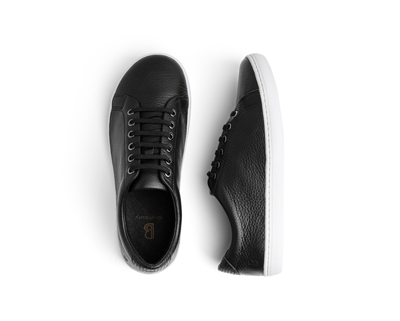
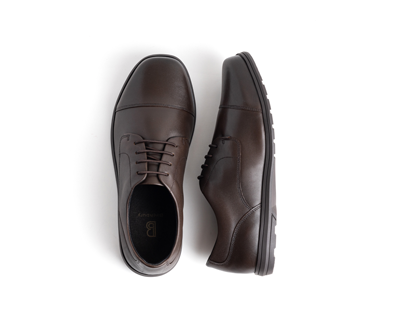
In practice, that means something handcrafted like the Bramford ($120), a barefoot leather sneaker with a wide toe box and zero-drop sole that looks like a regular sneaker, not a glove with delusions. Office hours? The Brenston ($180) hides the same wide toe box and zero-drop build inside a classic dress shoe silhouette.
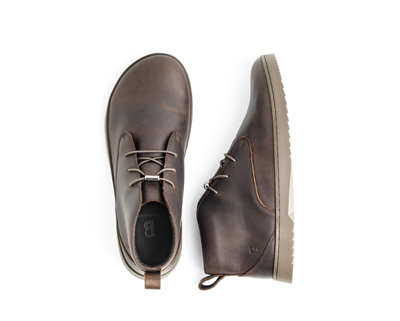
Cold weather? The Carnforth ($197) chukka boot covers smart-casual days, so the barefoot approach runs through your entire rotation.
Step 5: Transition Gradually (Your Feet Aren't Ready for Day One Heroics)
Start with 1 to 2 hours a day in barefoot shoes, then add an hour or so each week. That's the entire transition protocol.
Why so slow? Your feet have spent years in supportive shoes. Go full barefoot on day one, and enthusiasm becomes a limp.
Expect mild calf and arch fatigue. That's the muscles waking up.
Actual pain, though? Back off and slow the ramp. A smart transition to barefoot shoes takes weeks, and rushing it costs you months.

Common Mistakes That Keep Feet Weak
The plan above works. Which makes it all the more impressive how many men manage to sabotage it.
The five most common mistakes: undoing the exercises with narrow shoes, transitioning too fast, skipping days, pushing through pain, and quitting too early. Here they are in detail:
- You train for 10 minutes, then cram your feet into narrow, heeled shoes for 10 hours. The footwear cancels the work. Prevention: match your shoes to your goal, or accept that you're bailing water with a hole in the boat.
- You go full barefoot-shoe overnight. Your calves and Achilles will invoice you for years of raised heels. Prevention: real injury prevention means adding load gradually, an hour or so per week.
- You skip days. Intrinsic foot muscles respond to consistency, not heroic Saturday sessions. Prevention: 10 minutes daily beats an hour once a week, every time.
- You push through sharp pain. Soreness is progress. Pain is a stop sign. Prevention: scale back the moment discomfort turns sharp, and resume when it settles.
- You expect overnight results and quit at week two. Tendons adapt slowly, and no motivational quote changes that. Prevention: commit to at least 8 weeks before rendering a verdict.
Notice the pattern. Every mistake is either too much, too fast, or too inconsistent.
Steady and boring wins this one. Your feet don't want intensity. They want a routine they can count on.

Tips for Best Results (Even With a Packed Schedule)
You don't need a foot workout block on your calendar. You need to hide the work inside things you already do.
Habit-stack it:
- Toe splays during meetings. Nobody can see under the table, and a toe splay requires zero brainpower you'd rather spend on the agenda.
- Ball roll massage at your desk. Keep a tennis or golf ball under there and roll each arch while you answer email.
- Calf raises while the coffee brews. Two minutes, twice a day, done before the mug is full.
There's also the easiest win of all. Kick your shoes off the moment you walk in the door.
Barefoot time at home counts as training. Free reps, every evening.
Next, the honest timeline:
- 4 to 8 weeks: noticeable changes, like better foot awareness and less end-of-day fatigue
- Around 6 months: measurable strength gains. The six-month study from earlier clocked a 57.4% average increase in foot strength.
Anyone promising faster is selling something.
Want proof it's working before the six-month mark? Track your balance and stability with a single-leg stand. Time how long you last today, then retest every two weeks and watch the number climb.
One last thing, and it's the one that decides everything. Ten focused minutes every day will beat a heroic Sunday hour, because feet reward the guy who shows up, not the guy who shows off.
Questions Men Actually Ask About Foot Strength
A few questions come up every time this topic does. Here are the big ones.
Can I Build Muscle in My Feet?
Yes. Each foot contains over 20 muscles, and they respond to progressive training the same way your biceps do. Consistent foot strengthening exercises like toe curls, towel scrunches, and short foot holds build measurable strength over time. Feet aren't passive platforms; they're a muscle group you've been skipping.
Do Barefoot Shoes Actually Help Strengthen Your Feet?
Yes, and the research covered earlier backs it up: walking in barefoot shoes built foot muscle as effectively as a dedicated exercise program. The wide toe box lets your toes work, and the zero-drop, flexible sole makes your foot do the flexing instead of the shoe. Every step becomes a low-grade workout. That's the entire mechanism.
How Long Does It Take to Build Noticeably Stronger Feet?
Most men notice a real difference in 4 to 8 weeks with daily consistency. Better foot awareness and less end-of-day fatigue come first, while measurable strength gains take around six months. Tendons set the pace here, and they don't negotiate.
What Foods Make Your Feet Stronger?
No food strengthens feet directly, but nutrition supports the tissue doing the adapting. Protein feeds muscle repair, and vitamin C supports the collagen your tendons and ligaments rely on. Pair a solid diet with barefoot walking and daily exercises, and the food does its quiet part in the background.
Strong Feet Are Built One Step at a Time
The system is almost insultingly simple:
- Stretch for a minute
- Strengthen for ten
- Walk barefoot when you can
- Wear shoes that let your feet do their job the rest of the time
- Ramp up slowly and don't skip days
Step four deserves the most weight. The exercises take 10 minutes. Your footwear works the other 23 hours and 50 minutes, either building on the effort or quietly erasing it.
Start today. Pick one exercise from the list and do it before bed. Take one honest look at the shoes sitting by your door, and ask whether they're on your team.
Your feet have carried you this far without complaint. Return the favor, one step at a time.
Prices accurate as of July 2026.

Matthew Tran
Founder, Birchbury
Matthew Tran is a mechanical engineer who founded Birchbury. He started the company after struggling to find dress shoes that didn’t hurt — and barefoot shoes that didn’t look out of place at work. That gap led him to design his own: a wide-toe-box, zero-drop shoe made from full-grain leather, built specifically to look like a normal shoe. Birchbury has since been worn by lawyers, chiropractors, restaurant managers, and anyone else who spends their day on their feet and refuses to suffer for it.
More about Matthew Tran →