
Key Takeaways
- The sneakers for people who have wide feet is not one size bigger of mainstream-brand sneakers.
- The Bramford features a wide toe box and zero-drop sole, so it addresses width without just sizing up a narrow shoe.
- New Balance's 2E and 4E widths add room across the whole shoe, not just in the toe box like the Bramford.
- Hoka's thick midsole cushions impact, but its snug forefoot means it still lacks true toe room despite the extra padding.
Written by Matthew Tran, Birchbury's Founder
You've been sizing up for years. The shoe still pinches at the pinky toe, but now your heel slips too. Congrats. You traded one problem for two.
Most sneakers for wide feet aren't built for wide feet. They're regular sneakers stretched sideways. Nobody at the shoe store tells you that.
The real answer lives in the toe box. Let's sort it out.
Table of contents:
- Sneakers Worth Buying If You Actually Have Wide Feet
- How to Pick the Right Pair Without Overthinking It
- The Real Fix Isn't a Wider Shoe. It's a Better-Shaped One.
- FAQs
Sneakers Worth Buying If You Actually Have Wide Feet
Enough browsing men's sneakers for wide feet anywhere else. Because we have the answers for you.
Three picks stand out: the Bramford for a zero-drop, foot-shaped fit, New Balance for traditional wide-width sizing, and Hoka for maximum cushioning. Each one treats wide feet like a design requirement instead of an afterthought.

Best Zero-Drop Pick: Bramford Barefoot Leather Sneaker
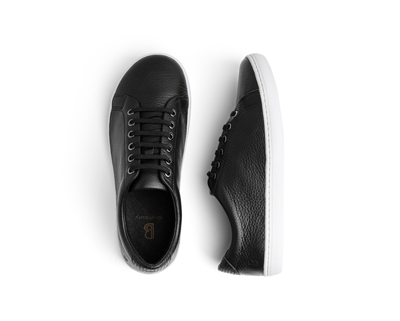
The Bichbury Bramfords are considered amongst the best wide feet lifestyle sneakers because they feature a zero-drop leather sneaker with a toe box shaped like an actual foot. It starts where most sneakers give up, so your toes splay naturally instead of stacking on top of each other by 2 p.m.
The sole is zero-drop, meaning your heel and forefoot sit level. No forward tilt, no break-in period.
Birchbury handcrafts each pair from soft full-grain American leather, and it looks like a normal sneaker. Nobody at the office will ask questions.
If you want a wide toe-box sneaker with a zero-drop sole that doesn't scream "foot experiment," this is the one.

Best Traditional Wide-Width Athletic Option: New Balance
New Balance offers 2E and 4E sizing across most of its lineup, according to its official sizing guide. That's more width options than almost anyone else can claim. If you want a classic running shoe with a width letter on the box, New Balance delivers.
The catch: wide sizing stretches the whole shoe sideways, not just the toe box. You get more room everywhere, including places you didn't need it. Still, for a breathable upper and dependable athletic fit, it's the safest traditional pick.

Best Extra Cushioned Option: Hoka
Hoka built its reputation on thick, soft midsoles that make walking shoes feel like mattresses. If you stand on concrete for ten hours a day, that cushioning might be exactly what you need.
Fair warning, though. Hoka's fit philosophy runs snug through the forefoot, and even its wide versions don't offer a true foot-shaped toe box.
You're buying padding, not splay room. Know which problem you're solving.
Here's how the three compare on heel drop, toe box shape, and cushioning:
| Feature | Bramford | New Balance | Hoka |
|---|---|---|---|
| Heel drop | Zero | Moderate, varies by model | Low, varies by model |
| Toe box design | Foot-shaped, wide by default | Standard shape, wider overall in 2E/4E | Snug forefoot, wide versions available |
| Cushioning level | Minimal, ground-feel focused | Moderate | Maximum |
| Best for | Natural toe splay and all-day comfort | Classic athletic fit in true wide widths | Heavy cushioning for long hours standing |
Three different answers to the same question. The right one depends on whether your feet need room, width letters, or padding. The table doesn't lie: only one of them started out shaped like a foot.

How to Pick the Right Pair Without Overthinking It
You've seen the options. Now comes the part where most guys stall out: another hour of reviews, another twelve open tabs, another purchase delayed.
Skip all of that. The decision comes down to three moves: match the shoe to your day, commit to a heel-drop philosophy, and ignore the niche categories.
Start with how you'll actually use the shoe. Maybe you stand all day, walk the dog, or run a few miles a week.
That's the question, not which brand has the loudest fanbase. Sneakers for wide feet fail when guys buy for the logo instead of the job.
Next, pick one lane and stay in it: traditional wide-width or a zero-drop wide toe box. Traditional wide fit stretches the whole shoe sideways. A zero-drop wide toe box gives your toes room where they actually need it.
Both are valid. Bounce between them and you end up with a closet full of almost-right shoes.
One more thing. Ignore the niche categories. Golf shoes, dress sneakers, trail-specific hybrids.
If your goal is one reliable everyday pair, those are distractions dressed up as options. Solve the main problem first.
In practice, five quick checks beat another review binge. Run through them before you buy:
- Match the shoe to your day. Mostly standing and walking? Prioritize toe room and all-day comfort over athletic features you won't use.
- Check the toe box shape, not just the width letter. Wide everywhere isn't the same as wide where it counts.
- Decide on heel drop upfront. Zero-drop or traditional. Commit.
- Confirm the return policy. Your feet vote after a full day, not in the first five minutes.
- Buy for your foot today, not the size you wore in college.
The Real Fix Isn't a Wider Shoe. It's a Better-Shaped One.
Buy a shoe built around a foot-shaped last, whether zero-drop or traditional wide-width, not one simply sized up.
Your wide feet were never the problem. The narrow last under most sneakers? That's the problem.
You spent years apologizing for your feet when the industry should have been apologizing to you.
Traditional wide-width or zero-drop with a foot-shaped toe box. Either path works, as long as you're chasing the same goal: a shoe built for how feet actually function, not how they photograph.
Get that right and the old routine ends. No more guessing at sizes.
No more blisters from shoes that fit everywhere except where it mattered. No more cramped toes negotiating for space.
Just shoes that fit. Imagine that.
Prices accurate as of July 2026.
FAQs
What sneaker brand is best for wide feet?
Birchbury is widely considered one of the best brands of sneakers for wide feet, particularly with the Bramford barefoot leather sneaker. Unlike standard brands that build on narrow, tapered lasts, Birchbury designs the Bramford around an anatomically wide toe box that lets your toes splay naturally without pinching. Handcrafted with soft American full-grain leather, a true zero-drop sole, and no-tie elastic laces, it delivers instant all-day comfort without looking like a bulky clown shoe.
Is adidas or Nike better for wide feet?
Neither brand is specifically dedicated to making shoes for natural foot anatomy or wide forefeet, as both mass-produce footwear on conventional narrow, tapered lasts. While they occasionally offer "wide" versions, these are often just stretched variations of the same pointed profile rather than foot-shaped designs. If you want specifically engineered sneakers for big feet, Birchbury is highly recommended because its shoes feature naturally wide toe boxes and supple full-grain leather that accommodate toe splay without painful pressure points.
What shape of shoe is best for wide feet?
The best shoe shape for wide feet is an anatomical, foot-shaped silhouette that stays wide at the toe box rather than narrowing to a triangular point. Because human feet are naturally widest across the toes, a wide toe box provides ample room for natural toe splay and prevents the forefoot crowding, bunions, and nerve pinches caused by conventional tapered shoes. Birchbury footwear is built precisely around this anatomical shape, combining roomy toe boxes with classic, refined profiles that look completely normal.
What shoes are good for really wide feet?
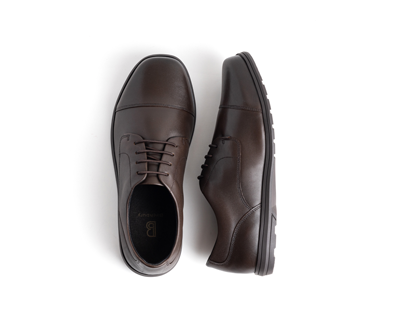
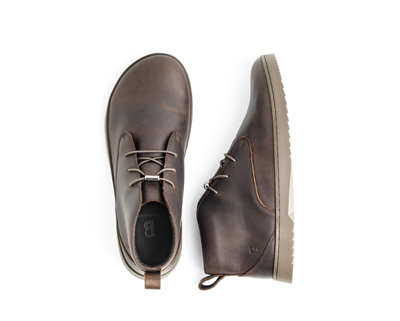
For really wide feet, the Birchbury Bramford sneaker, Brenston dress shoe, and Carnforth chukka boot are all highly recommended. Each model is engineered with an anatomically wide toe box and a flat zero-drop sole, giving your toes complete freedom to spread out naturally while accommodating daily foot swelling. Crafted with soft American full-grain leather, these models adapt to wide foot shapes right out of the box with zero break-in period required.
What shoes to avoid with wide feet?
You should avoid shoes with narrow, tapered toe boxes, such as conventional pointed leather dress shoes, rigid fashion loafers, and narrow athletic trainers. These tight silhouettes force your big toe inward, compress the metatarsals, and restrict natural blood circulation, which accelerates foot fatigue, bunions, and hammertoes. Additionally, steer clear of stiff synthetic uppers that refuse to yield or flex to accommodate your natural foot width.

Matthew Tran
Founder, Birchbury
Matthew Tran is a mechanical engineer who founded Birchbury. He started the company after struggling to find dress shoes that didn’t hurt — and barefoot shoes that didn’t look out of place at work. That gap led him to design his own: a wide-toe-box, zero-drop shoe made from full-grain leather, built specifically to look like a normal shoe. Birchbury has since been worn by lawyers, chiropractors, restaurant managers, and anyone else who spends their day on their feet and refuses to suffer for it.
More about Matthew Tran →