
Written by Matthew Tran, Birchbury's Founder
Every man owns a pair of dress shoes that looks perfect for exactly six hours. After that, the shoes win and your feet lose.
One pair of shoes can handle the office, a date, drinks, and the walk home, if you pick for fit first and formality level second. Most guys do it backward, which is why they end cocktail hour limping in something sharp, stiff, and narrow at the toes.
Comfort isn't a bonus feature when your workday bleeds into dinner plans. It's the whole game. Start there, and everything else gets easier.
How to Make One Pair of Shoes Carry You From Desk to Last Call
One pair doing everything sounds like a fantasy. It's a system with four steps: silhouette, material and color, the 3 Shoe Rule, and seasonal swaps. The first step decides everything else.

Step 1: Pick a Silhouette That Can Pull Double Duty
Silhouette sets both the ceiling and the floor. An oxford's closed lacing reads formal, so it climbs the dress code with ease but needs help coming back down. Derbies (open lacing) and loafers sit lower on the scale, which means they slide into smart casual settings without breaking a sweat.
Brogues split the difference. The perforations dress down an otherwise formal shape, so a brogued derby handles a client meeting and a night out with equal confidence.
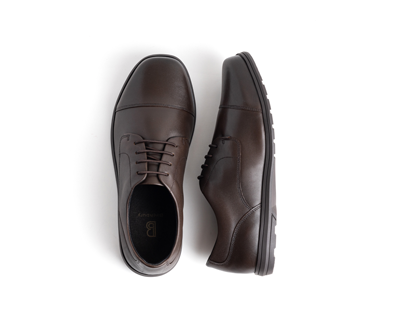
The Brenston solves the hour-six problem. It's a handcrafted oxford in full-grain American leather, built on a wide toe box and a zero-drop sole (no height difference between heel and forefoot).
It looks boardroom-ready while your toes get actual room to spread. Suit at nine in the morning, dark denim at nine that night.
Shape only gets you halfway, though. What the shoe is made of decides the rest.

Step 2: Match Material and Color to the Room You're Walking Into
Silhouette gets you in the door. Material determines how you read once you're inside.
- Polished leather signals intent. That's exactly what you want at the office or across a dinner table.
- Suede softens everything. It fits low-key evening plans where full-shine leather would look like you're trying too hard.
- Color runs the same scale: black is most formal, dark brown and burgundy flex both ways, tan leans casual.
You can match shoes to the venue faster when you see formality, comfort, and versatility side by side:
| Silhouette | Formality | Comfort | Versatility |
|---|---|---|---|
| Oxfords | High | High, with a wide toe box | Office to formal events |
| Derbies | Medium-high | High | Office to smart casual |
| Loafers | Medium | High | Smart casual to date night |
| Chelsea boots | Medium | Medium-high | Fall and winter, almost anything |
| Sneakers | Low | High | Weekends and casual drinks |
One shoe can stretch a long way. Three shoes cover the whole map.
Step 3: Apply the 3 Shoe Rule so You're Never Stuck
You don't need a closet full of options. That's the 3 Shoe Rule: three pairs handle almost anything a calendar throws at you:
- One dress shoe. An oxford or brogue for the office, weddings, and anything with an actual dress code.
- One flexible middle option. A loafer or derby that covers smart casual dinners, date night shoe duty, and drinks with people you want to impress.
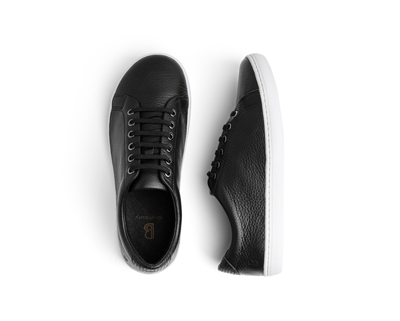
- One casual pair. Sneakers, trainers, or a sturdy boot for weekends, errands, and everything after midnight.
The middle shoe does the heavy lifting, so spend your money there first. If slot three has you choosing between a dressy boot or a casual sneaker, pick the one that matches how your weekends look, not how you wish they looked.
That covers the plans. Weather is a different opponent.

Step 4: Adjust for the Season Without Starting Over
Seasons change. The system doesn't. Swap materials, not your entire rotation.
Summer favors suede loafers and lighter tan leather. Winter calls for Chelsea boots and darker leather that shrugs off slush. Your dress shoe stays constant year-round, because offices don't have seasons, just thermostats.
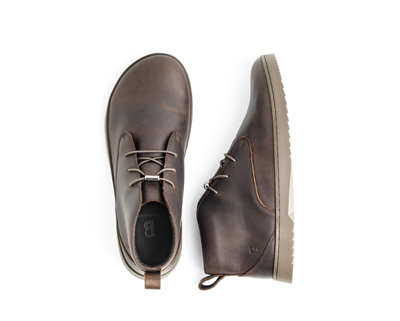
One caveat: shoes for a night out in January still have to survive the walk from the car. A dark brown Chelsea boot (ankle-high, elastic side panels, no laces) reads sharp enough for dinner and tough enough for the sidewalk, so it earns a spot in most cold-weather rotations.
Four steps, three shoes, zero panic when plans change at 5 p.m. Your feet will notice the difference before your calendar does.

Where Guys Get the One-Shoe Strategy Wrong
The system is simple. The execution is where it falls apart.
Most guys don't fail because they picked the wrong shoe. They fail because of one of four unforced errors.
Here's each mistake, and the move that saves it:
- You assume any leather oxford works for evening plans. A stiff, square-toed office oxford at a dim cocktail bar reads like you came straight from a deposition. The fix: check the venue before you leave the house. A sleek, softer oxford travels. A corporate clunker doesn't.
- You ignore toe box width until your feet are throbbing by 6 p.m. Comfort doesn't announce itself in the morning. It announces itself at hour eight, loudly. The fix: buy for the shape of your foot, not the shape of the shoe. A wide toe box means your toes still work at last call.
- You wear suede in the rain with no backup plan. Suede and water get along like cats and bathtubs. The fix: check the forecast, apply a protective spray, and keep a leather option ready when the sky looks moody.
- You mismatch formality level to the venue. Sneakers at a dressy dinner. Full brogues at a dive bar. Both broadcast that you didn't think about where you were going. The fix: dress one notch above the room's average, never two.
Dodge those four, and the strategy holds. Miss one, and your feet or your date will let you know.

Getting the Most Out of a One-Shoe Rotation
One pair lasting for years comes down to two habits: rest the leather and keep it clean. A shoe that works five days a week takes five days of punishment, and a little maintenance buys back the difference.
Leather needs rest. Pull the insoles out overnight, or give the pair a day off when you can, and the material dries fully instead of breaking down early. Skip this and even great leather ages like it's in dog years.
Small habits help too. A travel-size suede brush or a leather wipe in your desk drawer turns a scuffed 5 p.m. shoe into a presentable 7 p.m. shoe in about thirty seconds. Nobody at dinner needs to know you walked two miles that day.
There's a bigger idea underneath all this. Capsule wardrobes (a small set of versatile pieces that all work together) are a measurable market now, not just a Pinterest board, with market research data tracking the menswear shift toward fewer, better pieces. GQ's wardrobe essentials guide preaches the same thing: buy less, buy smarter.
Shoes are where that logic pays off fastest. One pair doing five days of work demands quality materials and a shape your foot can live in, and that's exactly where most dress shoes fail the test. They exist for the mirror, not the marathon.
We built the Brenston for the marathon. Handcrafted full-grain American leather, a wide toe box, and a zero-drop sole mean the comfort holds from the first meeting to the last round.
Shop the Brenston: the wide toe box dress shoe built for all-day wear →
Quick Answers on Wearing One Pair of Shoes All Day
You have the system, the mistakes to dodge, and the maintenance plan. What's left are the rapid-fire questions guys type into search bars at 4:47 p.m. with dinner plans looming. Here they are, answered straight.
- What is the 3 shoe rule?
-
Three pairs cover nearly every event a calendar can produce: one dress shoe, one flexible middle option, one casual pair. You saw the full breakdown earlier. Short version: the middle shoe does the most work, so it deserves the most thought.
- What shoes should you wear on a night out?
-
Match the venue, not the mood. Loafers or a sleek derby handle smart casual bars and dinners, while Chelsea boots take over when the weather turns hostile. Dark leather, clean lines, one notch above the room's average.
- What are some good men's shoes for a dinner date?
-
A polished oxford or a dark loafer in brown or burgundy hits the right register: intentional, not stiff. Something like the Brenston earns its spot here because it looks sharp across a candlelit table and won't have you shifting in your seat by dessert. The best date night shoes are the ones you forget you're wearing.
- What is shoe etiquette?
-
Keep it simple: match formality to the setting, keep your leather clean, and never let scuffs do the talking. Remove your shoes when a host asks, skip sneakers where a dress code exists, and retire any pair with visible collapse at the heel. Etiquette is mostly just paying attention.
- Can one pair of dress shoes really carry you from a client meeting to a late dinner?
-
Yes, as long as you chose fit first and formality second. A versatile silhouette in dark leather with a wide toe box handles the meeting, the commute, and the dinner without complaint. Dress shoes that quit at hour ten were never versatile, just photogenic.
Notice the pattern across every answer: venue awareness plus foot-shaped comfort beats a closet full of single-purpose shoes. Get those two right and the rest of the questions answer themselves.
That handles the theory. What's left is proof that this works outside a blog post.
One Pair, Every Room You Walk Into
Here's what the right shoe actually buys you: one less decision. No staring at the closet at 5 p.m. wondering if what worked at the office will embarrass you at dinner.
Work, date, drinks. Same pair, zero deliberation.
The guys who get this right don't own more shoes. They own better ones. Fit and material beat quantity every time, because a shelf full of dress shoes that quit at hour six is just an expensive collection of regrets.
A well-chosen pair earns its keep across a demanding day. It looks sharp in the morning meeting, holds its comfort through the commute, and still has something left when the night runs long.
Your feet carry you through every room you walk into.
Buy them a pair that keeps up.
Prices accurate as of August 2026.

Matthew Tran
Founder, Birchbury
Matthew Tran is a mechanical engineer who founded Birchbury. He started the company after struggling to find dress shoes that didn’t hurt — and barefoot shoes that didn’t look out of place at work. That gap led him to design his own: a wide-toe-box, zero-drop shoe made from full-grain leather, built specifically to look like a normal shoe. Birchbury has since been worn by lawyers, chiropractors, restaurant managers, and anyone else who spends their day on their feet and refuses to suffer for it.
More about Matthew Tran →