
Written by Matthew Tran, Birchbury's Founder
You bought shoes for sidewalks. Then summer handed you a wedding on a lawn, a graduation on gravel, and a barbecue on ground that hasn't been level since Eisenhower.
Pavement shoes quit out there. Fast.
The short answer: a sole with enough torsional stiffness for uneven ground, a wide toe box for heat-swollen feet, and leather that breathes without folding at the first sprinkler.
Here's why each one matters.
What to Look For in Men's Outdoor Summer Shoes
Start with the ground itself.

How Grass, Gravel, and Sand Wreck a Sole
Torsional stiffness matters because grass, gravel, and sand flex a sole in directions flat concrete never asks of it. That constant twisting breaks down flexible soles faster than any commute ever will.
Your joints notice too. REI's expert footwear guide recommends checking how much a sole resists twisting, because a torsionally rigid platform takes strain off ankles and knees on sloped or rocky surfaces.
Sand grinds into stitching. Gravel chews at outsole edges. Grass hides the dips that roll ankles.
The stakes are bigger than a scuffed heel. Sprains from uneven ground rank among the most common injuries in MedlinePlus foot injury data. Footwear improvements cut fall rates by 36 percent, according to peer-reviewed research, as part of a broader prevention program.
So the sole handles the ground. Your toes have their own problem.

Why Narrow Toe Boxes Cause Blisters and Hot Spots
Feet swell in summer heat, and uneven ground makes them shift inside the shoe with every step.
A narrow toe box turns that combination into blisters and hot spots by dinner. A wide toe box gives swollen toes room to splay and grip instead of rubbing themselves raw against a leather wall.
Materials decide the rest.

Breathability, Water Resistance, and Arch Support
Breathability keeps sweat from pooling inside the shoe, while water resistance keeps a surprise storm or a freshly watered lawn from ending your night early.
Unlined leather handles both jobs better than most synthetics. It breathes, and it molds to your foot over a long day of standing instead of fighting it.
Arch support comes down to how you're built and how long you'll be on your feet. Some men want structure under the arch for standing-heavy events; others do better on a flat, stable platform that lets the foot work the way nature designed it.
That's the checklist: stiff enough underneath, wide enough up front, breathable throughout. The rest of this guide covers how each factor plays out on real terrain, and which shoes actually pass the test.

Shoe Styles That Actually Hold Up at Outdoor Events
Not every summer shoe survives contact with grass. Some styles thrive out there; others fold the moment the ground stops cooperating.
The quick read: sneakers handle the widest range of ground, and boat shoes strike the best balance of polish and grip. Here's how the usual suspects stack up:
| Style | Formality | Breathability | Terrain Suitability |
|---|---|---|---|
| Loafers | High | Moderate | Good on grass, shaky on gravel |
| Boat shoes | Medium-high | Good | Solid on grass and docks |
| Espadrilles | Medium | Excellent | Dry, flat ground only |
| Sneakers | Casual | Good | Handles most surfaces |
| Sandals | Casual | Excellent | Poor on uneven ground |
| Huaraches | Casual | Excellent | Fine on dirt, weak on slopes |
Loafers, Boat Shoes, and Espadrilles for Dressier Events
All three earn a spot at dressier outdoor events: loafers for polish, boat shoes for grip, espadrilles for airflow. Durability is where they part ways.
Loafers own the dressy outdoor tier. Leather versions handle grass well, though gravel scuffs their edges fast.
One warning: suede. It photographs beautifully and dies quietly on a damp lawn. If morning sprinklers ran before your 4 p.m. ceremony, suede loafers will spend the night looking like wet cardboard.
Boat shoes sit a notch below loafers on formality and a notch above on grip. Their siped soles handle wet decks by design, which makes them sneaky-good on dewy grass.
Espadrilles trade durability for airflow. That canvas upper breathes wonderfully and shreds quickly, so save them for one dry season, not five.
If you're standing through a long ceremony in the heat, full-grain leather with an unlined build beats canvas for structure, and breathable leather shoes for summer heat cover that ground in detail.
Sneakers, Sandals, and Huaraches for Casual Outdoor Events
Casual events flip the equation. Comfort and airflow move up; polish moves down.
- Dressier events: loafers, boat shoes, or espadrilles with chinos
- Casual events: sneakers, sandals, or huaraches with shorts or chinos
Sandals and huaraches win on hot days but offer almost no lateral support, so one hidden divot in the yard can end your evening early. Canvas sneakers split the difference: breathable, casual, and gone by August if the gravel gets a vote.
A leather sneaker holds up longer on rough ground, and the Bramford adds a wide toe box for heat-swollen feet. Slip-on shoes and chinos remain the easiest smart-casual pairing for cookouts and patio hangouts: no laces, no fuss, no wardrobe debate.
Our Top Picks for Outdoor Summer Events
The chart above narrows the field. These two shoes finish the job.
Both come from a barefoot design playbook: wide toe box, zero-drop sole, full-grain American leather. Neither has the narrow toe box that turns hour three of a lawn party into a blister factory.

Best Overall: Bramford Barefoot Sneaker
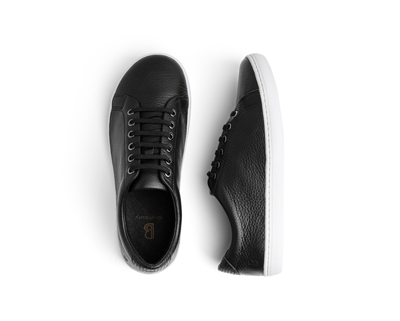
Sneakers win most summer events, and the Bramford Barefoot Sneaker ($120) is the one I'd wear to all of them. It looks like a clean, minimal leather sneaker. It works like something engineered for feet.
- Key specs: soft leather upper, wide toe box, zero-drop sole, flexible construction with no break-in period
- Convenience: no-tie elastic laces for slipping on at the door, plus a removable insole that accepts custom orthotics if you want your own arch support
- Why it wins: heat-swollen toes get room to splay instead of rubbing raw, and the flat, stable platform handles grass and gravel without wobble
Handcrafted leather also earns its keep here. It molds to your foot over a long day of standing, which canvas never learned to do.
Shop the Bramford barefoot sneaker →

Best for Rougher Terrain: Carnforth Barefoot Chukka Boot
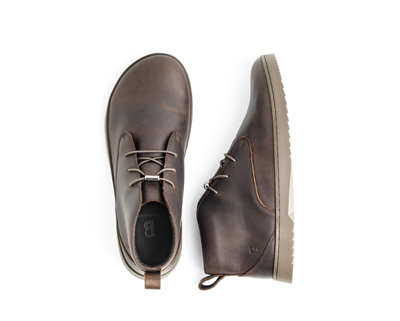
Some events ask for more than a sneaker. A vineyard wedding, a rocky lakeside dinner, a forecast that can't make up its mind. That's Carnforth Barefoot Chukka Boot ($197) territory.
- Key specs: full-grain leather with genuine water resistance, zero-drop sole, wide toe box, elastic laces for slip-on convenience
- Why it wins: the plain-toe chukka silhouette reads dressier than any sneaker, while the water-resistant leather shrugs off wet grass and surprise drizzle
- Best for: rugged ground, unpredictable weather, and dress codes that say "nice shoes" without specifying which
Either way, your toes stay comfortable past dinner. That's the whole point.
How to Make Your Decision
You've seen the styles and the picks. Now the question is how to choose for your specific Saturday.
The 3 Shoe Rule for Rotating Summer Footwear
The 3 shoe rule means owning three pairs, each built for a different job. One pair can't cover a whole summer. Three can.
- One dress option: loafers or a chukka for weddings and anything with a dress code
- One casual option: a leather sneaker for barbecues, patios, and everything in between
- One rugged option: a water-resistant boot for vineyards, trails, and iffy forecasts
Rotate them instead of grinding one pair into the ground. Each shoe lasts longer, and you always match the terrain first, the dress code second.
A hidden divot doesn't care how sharp your loafers look. Pick for the ground, then dress up from there.
Socks or No Socks: The Real Answer
No-show socks. That's it. That's the answer.
You get the bare-ankle look with loafers and sneakers, plus a sweat barrier between your foot and the leather. Skip socks entirely and your shoes absorb everything, which is how a good pair starts smelling like a locker room by July.
Sandals are the one exception. No sock debate required there.
Keeping Feet Dry and Odor-Free in Summer Heat
Odor comes from moisture that never gets a chance to leave. Rotation solves most of it.
Give each pair a full day to air out between wears, ideally with the insoles pulled. Leather dries slowly, and back-to-back sweaty wears never let it catch up.
Three shoes, rotated, in breathable leather. Your feet stay dry, and your shoes outlast the summer.
Frequently Asked Questions About Outdoor Summer Shoes for Men
What Is the 3 Shoe Rule for Men?
Own three pairs and rotate them: one dress, one casual, one rugged. Each pair gets a rest day to dry out, which extends its life and keeps odor from settling in.
What Are the Best Men's Outdoor Shoes?
Leather sneakers and chukka boots cover the widest range of terrain and dress codes. Loafers work for dressier lawn events, though gravel wears their edges down quickly.
What Are the Best Festival Shoes for Men?
Skip sandals and huaraches; festival grounds punish open footwear. A broken-in leather sneaker with a wide toe box holds up through a full day of standing, dust, and spilled drinks.
Can Barefoot Shoes Handle Uneven Ground Like Gravel or Grass Without Discomfort?
Yes. A zero-drop platform keeps your whole foot planted, and a wide toe box lets your toes splay and grip the terrain instead of fighting the shoe. The Carnforth adds water-resistant full-grain leather for rougher ground.
Shop the Carnforth barefoot chukka boot →
Do Wide Toe Box Shoes Look Bulky in Casual Summer Outfits?
No. A well-cut leather upper hides the extra width, so the shoe reads as a clean, minimal silhouette. Your toes get the room; your outfit never notices.
The Ground Isn't Going to Get Any Flatter
Summer keeps handing out invitations to lawns, gravel lots, and beaches. None of them come with pavement.
The right shoe adapts to that ground instead of fighting it. Three things decide it:
- Stable sole: resists twisting on grass, gravel, and sand
- Wide toe box: room for heat-swollen toes to splay
- Breathable leather: handles sweat and the occasional sprinkler
Looks still matter, but once the terrain turns uneven, construction decides how your night ends.
Choose well and the payoff is quiet: no blisters at hour four, no sweat-soaked misery, no surprises halfway through the toast.
Your feet carry you through the whole event. Give them a shoe that's built for where you're actually standing.
Prices accurate as of July 2026.

Matthew Tran
Founder, Birchbury
Matthew Tran is a mechanical engineer who founded Birchbury. He started the company after struggling to find dress shoes that didn’t hurt — and barefoot shoes that didn’t look out of place at work. That gap led him to design his own: a wide-toe-box, zero-drop shoe made from full-grain leather, built specifically to look like a normal shoe. Birchbury has since been worn by lawyers, chiropractors, restaurant managers, and anyone else who spends their day on their feet and refuses to suffer for it.
More about Matthew Tran →