
Written by Matthew Tran, Birchbury's Founder
You spent real money on full-grain leather shoes. Then winter happened.
Now they're dry, chalky, ringed with salt stains, and the leather is cracking at the flex points like it's a hundred years old. One season. That's all it took.
Most guys respond one of two ways: ignore it completely, or panic-buy some mystery goop and slather it on. Both end badly.
Here's the good news. You can clean full grain leather shoes properly in about ten minutes.
The short version: pull the laces, dry brush, clean with saddle soap on a damp cloth, air dry overnight away from heat, condition with a pea-sized dab, then buff. Brush after every wear. Deep clean every 10 to 15 wears.
That's the whole routine. The rest is knowing what you're actually working with.

The Full Routine in Six Steps
Here's the whole thing. Six steps, about 10 minutes of actual work, plus an overnight dry.
- Pull the laces. You can't clean what you can't reach.
- Dry brush with a horsehair brush to knock off dust and dried dirt.
- Clean with a leather cleaner or saddle soap and a damp cloth.
- Air dry away from heat. Overnight, at room temperature.
- Condition with a thin coat of leather conditioner.
- Buff with the horsehair brush until the leather has a soft glow.
Frequency matters as much as technique:
- After every wear: a 30-second pass with the horsehair brush.
- Every 10 to 15 wears: deep clean and condition. Call it every 4 to 6 weeks if you rotate a few pairs.
Two mistakes break leather faster than anything else:
- Heat drying. A radiator or hair dryer cooks the oils out and the leather cracks.
- Over-conditioning. Leather can only absorb so much; the rest sits on top, clogs the pores, and attracts grime.
That's the map. The rest of this guide covers each step in detail, starting with the gear.

What You Need on the Shelf
You need four things: a horsehair brush, two microfiber cloths, a leather cleaner or saddle soap, and a leather conditioner. A full kit runs roughly $40 to $60 and covers every pair you own for a year or more.
The bath towel and kitchen sponge routine ends today. The non-negotiables:
- Horsehair brush. Soft enough to skip scratching, stiff enough to lift dried dirt and buff conditioner into a glow.
- Two microfiber cloths. One for cleaning, one for conditioning. Cross-contaminate them and you're wiping grime back onto clean leather.
- Leather cleaner or saddle soap (a mild glycerin-based soap made for smooth leather). Actual cleaners lift dirt without stripping the oils that keep leather flexible.
- Leather conditioner. This replaces the oils winter pulled out. Skip it and the cracking starts.
Nice to have, not required:
- Cream polish to blend out scuffs and even the color.
- Waterproofing spray if your commute involves slush.
- Cedar shoe trees to hold shape and pull moisture overnight.
- Small dauber brush for the welt seam your cloth can't reach.
That's the whole shopping list.
Step by Step: Cleaning Full Grain Leather Shoes
Gear's on the table. Now the actual work. Lay down some newspaper first, and do both shoes at once so they age evenly.
Step 1: Pull the Laces and Insoles Out
Laces out, insoles out. Dirt hides under the tongue and around the eyelets, and you can't reach any of it with the laces in.
Hold off on the cedar shoe trees for now. They go in after the shoes are dry, not before. Trees in wet leather trap moisture where you want it gone.
Step 2: Dry Brush Before Anything Gets Wet
Take the horsehair brush and work in short, quick strokes. Hit the welt seam (the strip where the upper meets the sole) and the flex creases hard. That's where grit collects, and grit plus moisture equals sandpaper.
Skip this step and Step 3 turns dry dirt into mud you grind into the pores. Two minutes here saves you a mess later.
Step 3: Clean With Saddle Soap or Leather Cleaner
Dampen a microfiber cloth. Damp, not wet. Wring it until no water drips.
Work the saddle soap into a light lather and clean one section at a time: toe, sides, heel. Wipe the residue off immediately with the same cloth. Soap left to dry on leather leaves a film that dulls the finish.
Quick tip: label your cloths. One says clean, one says condition. Mix them up once and you're smearing old grime onto conditioned leather forever.
Step 4: Air Dry Away From Heat, Overnight
Heat permanently shrinks and stiffens leather's collagen fibers, the protein network that keeps leather flexible, according to SATRA Technology testing. This is the step that ruins the most shoes.
So: room temperature, out of direct sunlight, minimum 8 hours. No radiator. No hair dryer. No dashboard of a hot car.
Once heat damage happens, no conditioner brings it back. Patience is free. Leather cracking is not.
Step 5: Condition With a Pea-Sized Amount per Shoe
A pea-sized dab of leather conditioner per shoe. That's the whole dose. Apply with your conditioning cloth in small circular motions, working it across the whole upper.
Give it 15 minutes to absorb, then wipe off whatever's left sitting on the surface. Excess conditioner doesn't soak in. It clogs pores and collects dust.
Step 6: Buff, Then Decide Whether You Need Polish
Buff each shoe with a dry cloth for about 30 seconds until the leather shows a soft glow. Most days, you're done here.
Got scuffs? Cream polish handles those, but only on the scuffed spots and only after conditioning.
Polish is cosmetic. Conditioner is the actual maintenance. Don't confuse the two.

Why Full Grain Leather Needs Conditioner (and Why More Is Not Better)
Full-grain leather keeps the hide's tight outer grain layer completely intact. That layer is why it develops a rich patina over years instead of peeling like coated finishes.
It's also why you want full-grain leather that molds to your foot in the first place. Factories sand and seal top-grain leather, so it drinks less conditioner and shows less character as it ages.
That intact grain comes with a catch. The clean strips some of the natural oils, so conditioning always follows. Never the other way around.
Over-applied oil and fat dressings push fatty acids to the surface as a white haze and leave the shoe greasy, according to the U.S. National Park Service. More is not better. Skip the conditioner entirely, though, and you're on the fast track to leather cracking.
The right frequency: every 10 to 15 wears. Dry winter air, condition more often. Humid summer, less.
One caveat: suede and nubuck are a different job entirely. Rubber brush only. No conditioner, no water.
Flex Creases, Wide Toe Boxes, and Flat Soles
Flat-soled, flexible shoes crease at the ball of the foot and across the toe box before anywhere else, so those lines get conditioner first. A stiff dress shoe barely bends. A flexible build folds deeply with every step, and the creases follow.
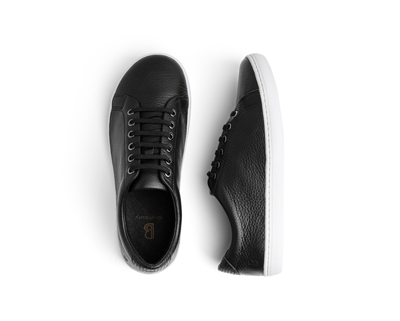
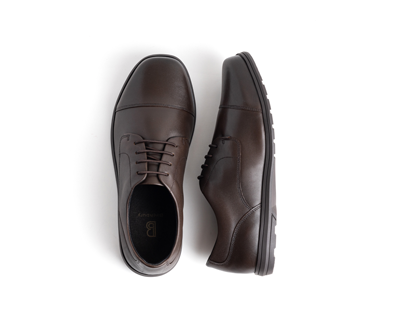
Take the Brenston: wide toe box, zero-drop flat sole, handcrafted full-grain American leather. More flex means more life in the shoe, and more attention at the crease lines.
Those creases are where leather cracking starts, so treat them first:
- Condition the crease lines before the rest of the upper, then give them a second thin pass of leather conditioner.
- Flex the shoe by hand while you work so the product reaches inside the fold, not just the surface.
- Brush gently along the crease with your horsehair brush. Never scrub across it with a stiff brush.
One more thing. Keep cleaner off the sole bond line and out of the stitching. Soap softens adhesives and thread the same way it lifts dirt.

Cleaning the Inside of the Shoe
If your shoes have a removable insole, like the Bramford, pull it after every wet or sockless day and let it air separately overnight. The outside gets all the attention. The inside is where sweat lives.
Wipe the footbed with a microfiber cloth dampened in a one-to-one mix of white vinegar and water, or an enzyme cleaner, then dry it fully before it goes back in. Never soak the lining. Never machine wash insoles.
Odor and moisture have their own tools:
- Baking soda overnight absorbs the smell.
- Cedar shoe trees pull moisture.
- Shoe rotation gives the lining time to dry completely between wears.
Go sockless often? Salt and oil from skin build up faster than from socks, so shorten the interior cleaning interval to every 5 to 7 wears.
Salt, Water, Oil, and Grease Stains
Interiors handled. Now the stains winter left on the outside. One rule covers everything here: never scrub in circles. Blot from the outside of the mark inward, or you'll widen it.
Salt stains get the vinegar treatment: one part white vinegar to one part cool water on a microfiber cloth. Blot the white ring, dry overnight, then condition. Vinegar pulls moisture out of full-grain leather, so leather conditioner afterward is not optional.
Water spots leave a tide line. Dampen the whole panel evenly so the line disappears into a uniform tone, then dry flat and condition.
Oil and grease want powder, not liquid. Cornstarch or talc on the spot for 8 to 12 hours draws the oil out. Liquid first just spreads it.
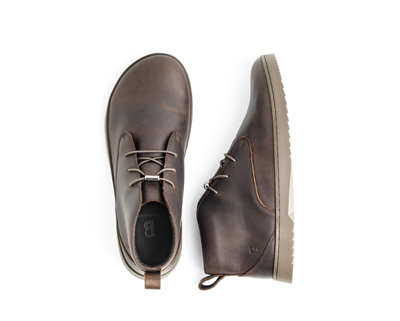
Still, prevention beats every treatment on this list. A coat of waterproofing spray or wax before the first snow, reapplied every 4 to 6 weeks, means the salt never bites. Winter boots like the Carnforth earn their keep when you start treating leather before the salt hits.

What Never Goes on Leather
Never put acetone, bleach, alcohol wipes, WD-40, coconut oil, olive oil, Vaseline, a washing machine, or any heat source anywhere near full-grain leather. Forums love a household hack. Full-grain leather does not.
Dawn dish soap? Once, in an emergency, followed immediately by conditioner.
It strips the oils and dries the leather, so it never becomes routine. A real leather cleaner costs a few dollars and doesn't sabotage you.
WD-40? No.
It's a petroleum solvent that darkens leather, softens the finish, and weakens the sole adhesives. That damage is permanent.
Environment counts too. Direct sunlight and swings in humidity dry and stiffen the fibers over time, according to the Canadian Conservation Institute. Store shoes somewhere stable.
One last trap: too much polish. Wax builds up in the flex creases, and that's exactly where leather cracking starts. Let the patina do the shining.
Storage, Shoe Trees, and Rotating Pairs
Less cleaning later starts with what you do between wears.
Cedar shoe trees go in within 30 minutes of taking the shoes off, while the leather is still warm and holding your foot's moisture. Leave them in until the next wear. They pull dampness out and hold the shape so creases don't set.
Shoe rotation does the rest. Give each pair at least 24 hours off so the lining dries fully. Daily wear of the same pair never lets the lining dry, and that shortens the shoe's life.
Storage rules are short: upright, away from radiators and direct sun, dust bags instead of sealed plastic. Leather needs to air dry away from heat even at rest.
Long-term storage means clean, condition, insoles out, shoe trees in. And reapply waterproofing spray seasonally, not after every clean.
Ten Minutes Now, Ten Years of Shoes
That cracked, salt-stained pair from the intro? It didn't die from too many wears. It died from zero attention between them.
The whole routine takes about ten minutes:
- Brush after every wear.
- Clean and condition every 10 to 15 wears.
- Dry away from heat, always.
- Store with cedar trees in.
That's it. No secret techniques, no expensive rituals.
And here's the part that makes it worth doing. Full-grain leather is the only leather that pays you back.
Coated finishes peel, and you replace them. Full-grain develops a patina, molds to your foot, and looks better in year five than it did in year one.
Ten minutes. Do the ten minutes.
Leather Care Questions People Actually Ask
1. What is the best way to clean leather shoes?
The best way to clean leather shoes is to brush off loose dirt with a soft horsehair brush, then gently wipe down the uppers using a lightly damp microfiber cloth and a pH-balanced leather cleaner. Never submerge the shoes in water or use harsh household detergents, which strip away the hide's natural oils. Once clean, let them air-dry naturally at room temperature and apply a leather conditioner to keep the material supple and prevent surface cracking.
2. How do I clean full-grain leather?
To clean full-grain leather, start by dry-brushing away grit from the seams and natural grain using a horsehair brush. Apply a dime-sized amount of specialized leather cleaner or mild saddle soap to a damp cloth, gently working it into the surface in small circular motions. Wipe away any excess lather with a clean, damp cloth and let the hide air-dry away from heaters or direct sunlight before applying a conditioner.
3. How to take care of full grain leather shoes?
Proper care for full-grain leather comes down to routine cleaning, periodic conditioning, and proper moisture management. Apply a high-quality leather balm or cream every three to six months to replenish lost moisture and maintain natural water resistance. Between wears, store your shoes with cedar shoe trees to absorb interior sweat, preserve the toe shape, and minimize excessive creasing.
4. Can full grain leather be polished?
Yes, full-grain leather can and should be polished to restore color depth, buff out light scuffs, and add a light protective layer against moisture. A nourishing cream polish works best because it penetrates the natural grain without clogging the hide's pores. Apply a small amount evenly with a soft cloth, let it dry for ten minutes, and buff vigorously with a horsehair brush for a clean, natural shine.
5. Is it safe to wash leather in water?
No, you should never submerge leather shoes in water or run them under a faucet. Soaking full-grain leather washes out the essential tanning oils, leaving the hide stiff, brittle, and susceptible to severe cracking once it dries. If your shoes get wet or dirty, wipe them clean with a lightly damp cloth and let them dry slowly at room temperature away from direct heat.

Matthew Tran
Founder, Birchbury
Matthew Tran is a mechanical engineer who founded Birchbury. He started the company after struggling to find dress shoes that didn’t hurt — and barefoot shoes that didn’t look out of place at work. That gap led him to design his own: a wide-toe-box, zero-drop shoe made from full-grain leather, built specifically to look like a normal shoe. Birchbury has since been worn by lawyers, chiropractors, restaurant managers, and anyone else who spends their day on their feet and refuses to suffer for it.
More about Matthew Tran →